
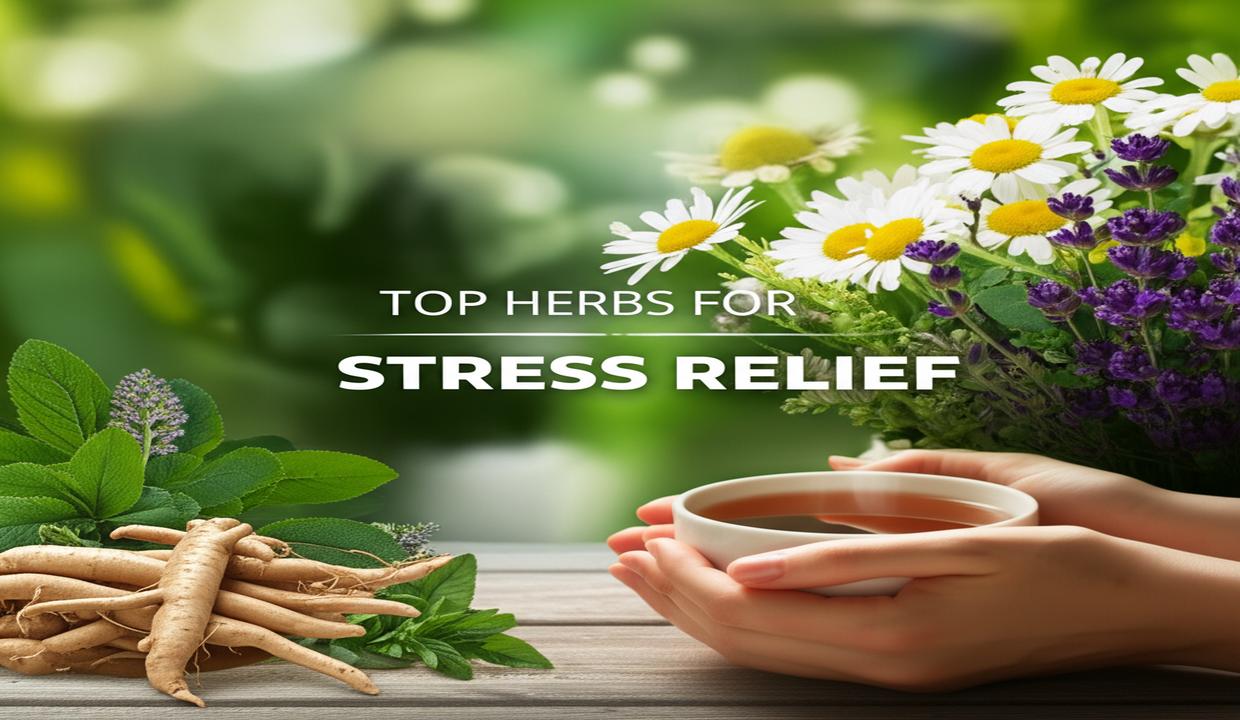
In our fast-paced world, everyday stress and anxiety have become unwelcome companions for many. The constant demands of work, personal life, and global events can take a toll on our mental and physical well-being. While modern medicine offers various solutions, a growing number of people are turning to time-honored natural remedies for a gentler, more holistic approach to managing their emotional landscape. This article delves into the powerful world of natural stress relief, specifically focusing on top herbs for stress that have been celebrated for centuries for their calming, balancing, and mood-enhancing properties.
Understanding how certain herbs for stress interact with our bodies can empower us to make informed choices for our health. From ancient traditional medicines to modern scientific studies, these botanical allies offer a promising path to finding serenity. We will explore the leading herbal contenders, their unique benefits, and how they can be incorporated into your daily routine to support your overall well-being and achieve better stress management.
Unveiling Nature’s Calmers: Top Herbs That Help Manage Everyday Stress Naturally
Nature provides a powerful apothecary, and many plants offer profound support for our nervous systems. When seeking natural stress relief, certain herbs stand out due to their proven efficacy and long history of safe use. Let’s explore some of the most effective herbal remedies that can help soothe the mind and body.
Chamomile: The Gentle Soother
Chamomile is perhaps one of the most well-known calming herbs, widely cherished for its ability to relax the nervous system. Beyond its soothing effects, chamomile tea can aid digestion, alleviate headaches, and even ease menstrual cramps. It’s also an excellent choice for promoting restful sleep, helping you unwind after a stressful day. Its mechanism involves enhancing GABA production in the brain, a neurotransmitter that helps regulate stress responses.
Mimosa (Albizia julibrissin): The Tree of Happiness
Often referred to as the “Tree of Happiness,” Mimosa is revered in traditional Chinese medicine for its profound emotional benefits. The bark of this beautiful tree is believed to stabilize emotions, while its delicate flowers offer uplifting, antidepressant effects. It is traditionally used to address feelings of anxiety, depression, grief, and even symptoms of PTSD, often helping to quiet the mind for better sleep. To discover more about tonic herbs for emotional balance, consider visiting resources on tonic herbs for stress and anxiety.
Ashwagandha: The Adaptogenic Powerhouse
Ashwagandha stands out as a premier adaptogenic herb, uniquely capable of helping the body adapt to various stressors. It is recognized for its significant role in reducing stress, anxiety, and combating fatigue. This remarkable herb supports overall mental well-being by modulating the stress hormone cortisol. Clinical studies have consistently shown its effectiveness in easing a wide range of stress-related symptoms, making it a cornerstone of modern herbal stress management protocols. Learn more about adaptogens and how they benefit stress by exploring articles on herbs for stress.
Rhodiola (Rhodiola rosea): Resilience Under Pressure
Another potent adaptogen, Rhodiola rosea, is highly valued for its ability to mitigate both physical and mental fatigue, particularly that which stems from chronic stress. Research indicates that rhodiola can significantly reduce symptoms of burnout and depression. It also notably improves recovery from stress-induced fatigue, allowing individuals to maintain energy and focus even during challenging times. This makes it an ideal herb for those facing high-demand situations.
Passionflower: Serenity and Vitality
Passionflower is celebrated for its calming effects on the nervous system. Beyond simple relaxation, it helps to rejuvenate and supports overall vitality and emotional well-being. This herb is frequently found in formulations specifically designed to enhance relaxation and reduce feelings of anxiety. Its gentle yet effective action makes it a popular choice for those seeking a tranquil mind.
Lemon Balm (Melissa officinalis): The Mood Brightener
A delightful member of the mint family, Lemon Balm, or Melissa officinalis, is cherished for its ability to promote a profound sense of calm. It actively supports a positive mood and has been traditionally used to alleviate feelings of stress and anxiety. Its bright, citrusy aroma is often associated with feelings of upliftment and comfort, making it a pleasant addition to herbal teas or tinctures. For additional insights into calming herbs, review information found at blogs on the best herbs for stress.
Lavender: Aromatic Relief
Known globally for its distinct and soothing aroma, Lavender is extensively used to relieve anxiety and promote deep relaxation. Whether diffused as an essential oil, added to a warm bath, or taken as a supplement, its calming properties are undeniable. Lavender provides a multi-sensory approach to natural stress relief, making it a beloved option for winding down and enhancing sleep quality.
Valerian Root: Nature’s Sedative
For those struggling with stress-related insomnia, Valerian Root often serves as a powerful ally. It is frequently utilized to improve sleep quality and significantly decrease anxiety levels. Valerian root acts as a natural sedative, helping to calm the overactive mind and facilitate a smooth transition into restful sleep. It’s a strong option when sleep disruption is a primary symptom of stress.
Bacopa: Cognitive Calm
Bacopa monnieri is primarily recognized for its support of brain health, but its benefits extend to stress management as well. It combats oxidative stress within the brain and modulates crucial neurotransmitters like GABA and serotonin. This action helps to improve mood and reduce the impact of stress on cognitive function, supporting clarity and focus even under pressure. Discover more about how various herbs can provide natural stress relief by exploring comprehensive guides like the Healthline guide on herbs for stress.
St. John’s Wort: Mood Support (with Caution)
Traditionally, St. John’s Wort has been used to address depression and various mood disorders. It can also help alleviate anxiety, offering a lift to overall spirits. However, extreme caution is advised when considering this herb due to its potential for significant interactions with numerous pharmaceutical medications, including antidepressants and birth control. Always consult a healthcare professional before combining St. John’s Wort with any other drugs.
Understanding How Herbs Offer Relief
The efficacy of these anxiety herbs stems from their complex phytochemical compounds that interact with our body’s systems. Many, like Ashwagandha and Rhodiola, are adaptogens, meaning they help normalize physiological functions and modulate the body’s response to stress. Others, like Chamomile and Passionflower, enhance neurotransmitter activity, such as GABA, which promotes relaxation and reduces excitability in the brain.
Furthermore, several herbs possess anti-inflammatory and antioxidant properties, which can help counteract the damaging effects of chronic stress on the body. By supporting the nervous system, balancing mood-related neurotransmitters, reducing systemic inflammation, and improving sleep quality, these natural remedies offer a multi-targeted approach to effective stress management.
Benefits and Cautions of Herbal Remedies
| Pros | Cons |
|---|---|
| Natural approach to stress relief | Potential drug interactions (e.g., St. John’s Wort) |
| Fewer side effects compared to pharmaceuticals | Individual results may vary significantly |
| Holistic support for mind and body | Quality and potency can differ between brands |
| Addresses root causes of stress (e.g., adaptogens) | Requires consistent use for noticeable effects |
| Often accessible and relatively inexpensive | Not a substitute for professional mental health care |
Summary Table of Key Herbs for Stress Management
| Herb | Key Benefits | Form & Use | Notes |
|---|---|---|---|
| Chamomile | Calms nervous system, aids digestion, sleep | Tea, tincture, bath | Safe for children, common allergen in aster family |
| Mimosa | Stabilizes emotions, antidepressant | Tea, tincture, syrup | Not for use in pregnancy |
| Ashwagandha | Adaptogen, lowers cortisol, relieves anxiety | Capsules, powder, tincture | Clinically tested |
| Rhodiola | Reduces mental/physical fatigue, burnout | Capsules, tincture | Adaptogen with strong evidence |
| Passionflower | Calming, supports relaxation | Tea, capsules, gummies | Used for anxiety support |
| Lemon Balm | Mood support, calming | Tea, tincture, extract | Member of mint family |
| Lavender | Anxiety relief, sleep aid | Essential oil, tea | Aromatherapy use common |
| Valerian Root | Improves sleep, reduces anxiety | Capsules, tea | Natural sedative |
| Bacopa | Neuroprotective, mood enhancer | Capsules, tincture | Antioxidant and anti-inflammatory |
| St. John’s Wort | Antidepressant, anxiety relief | Capsules, tea | Watch for drug interactions |
Latest Insights and Expert Opinions
The field of herbal medicine is constantly evolving with new research. A recent review highlights the effectiveness of adaptogenic herbs like Ashwagandha and Rhodiola in managing stress-related disorders. This research underscores their role in modulating stress hormones and improving mental well-being, providing robust evidence for their traditional uses. For a deeper dive into the scientific backing of these claims, a relevant study published by PMC NCBI articles provides valuable insights into the efficacy of plant-based interventions for anxiety and depression.
Leading herbalists emphasize the importance of high-quality sourcing and proper dosage for optimal results. They also stress that while these herbs offer significant support, a holistic approach that includes diet, exercise, and mindfulness practices is crucial for comprehensive stress management. The integration of traditional wisdom with modern scientific validation continues to solidify the role of these powerful plants in supporting our mental health.
FAQ
- How quickly do herbs for stress work?
The effects of herbs for stress can vary widely. Some, like chamomile or valerian, may offer immediate calming effects, especially in tea form. Adaptogens like ashwagandha or rhodiola often require consistent use over several weeks to build up in the system and show their full benefits for long-term stress management. - Can I take multiple anxiety herbs together?
While some herbal combinations are synergistic and safe, it’s crucial to exercise caution. Combining multiple herbs without proper knowledge can lead to unwanted interactions or magnified effects. Always consult a healthcare provider or a qualified herbalist before combining different herbal supplements, especially if you are new to herbal remedies. - Are there any side effects from natural stress relief herbs?
Most herbs, when used appropriately, have fewer side effects than pharmaceutical drugs. However, side effects can occur. For instance, valerian can cause drowsiness, and St. John’s Wort has significant drug interactions. It’s vital to research each herb thoroughly and start with low doses to assess your body’s reaction. - Are these herbs safe for long-term use?
Many adaptogenic herbs like ashwagandha and rhodiola are generally considered safe for long-term use, especially when cycled (taken for a period, then a break). Other herbs might be better suited for acute or short-term use. Consulting a professional for personalized advice on duration and dosage is always recommended for effective stress management.
Conclusion
Navigating the complexities of everyday stress can be challenging, but nature offers a wealth of support through powerful herbs for stress. From the gentle embrace of Chamomile to the robust adaptogenic power of Ashwagandha and Rhodiola, these botanical allies provide effective and natural pathways to greater calm and resilience. Embracing these herbs can be a transformative step towards enhancing your overall well-being and achieving sustainable natural stress relief.
Remember, while these herbs offer profound benefits, they work best as part of a holistic approach to health. Always consult healthcare providers or qualified herbalists before starting any new herbal therapies, especially if you have underlying medical conditions or are taking other medications. Your journey to natural calm begins with informed choices and respect for the power of plants. If you found this article helpful, please feel free to share it with friends and family, and explore our About Us page to learn more about our mission to provide helpful insights. You can also reach out to us via our Contact page for any inquiries. #HerbalWellness
Watch More in This Video
For more visual insights and detailed explanations on natural remedies for stress and anxiety, check out this informative video:
Disclaimer: All images and videos are sourced from public platforms like Google and YouTube. If any content belongs to you and you want credit or removal, please inform us via our contact page.