
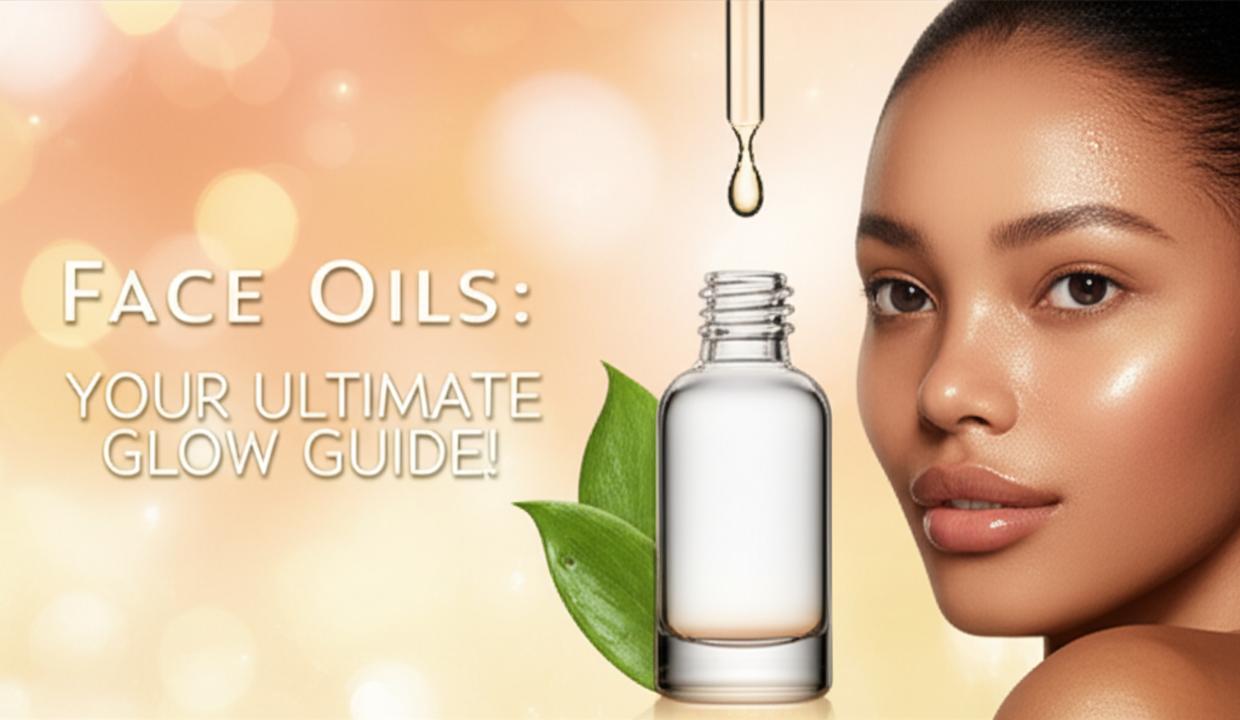
Are you looking to unlock the secret to glowing, healthy skin? Look no further than face oils! Often misunderstood, these potent elixirs are a game-changer for every skin type, offering incredible benefits from deep hydration to oil regulation and a radiant glow. If you’ve ever wondered about the hype surrounding face oils, how to choose the best face oils for your complexion, or precisely how to use face oils for maximum effect, you’ve come to the right place.
This ultimate guide cuts through the confusion, providing you with expert insights and practical advice to integrate face oils seamlessly into your daily skincare routine. Get ready to transform your skin and discover your best glow yet!
The Transformative Power of Face Oils
Imagine a product that not only hydrates but also nourishes, balances, and revitalizes your skin. That’s the magic of face oils. Far from just being a trend, these concentrated formulations deliver essential nutrients, vitamins, and fatty acids directly to your skin, supporting its natural barrier function.
Contrary to common misconceptions, face oils are not just for dry skin. They are incredibly versatile and can benefit everyone, from those with oily complexions to sensitive and aging skin. The key lies in selecting the right oil to match your specific skin needs and concerns.
Unlocking the Benefits: Why Face Oils Are a Skincare Essential
The array of positive changes face oils can bring to your skin is truly impressive. They go beyond simple hydration to address a multitude of skin concerns, making them a powerhouse addition to any regimen.
Deep Hydration and Moisture Lock-in
One of the primary advantages of incorporating face oils into your routine is their unparalleled ability to deliver and seal in moisture. They create a protective barrier on the skin’s surface, preventing transepidermal water loss. This leads to significantly improved skin texture, making it feel smoother, softer, and more supple. For dry or dehydrated skin, this can be a revelation, transforming dullness into a vibrant complexion.
Balancing Oil Production and Minimizing Pores
It might seem counterintuitive, but for those with oily or acne-prone skin, certain face oils can actually help regulate excessive oil production. Oils like jojoba oil mimic the skin’s natural sebum, signaling to your skin that it has produced enough oil, thus reducing overcompensation. Additionally, some oils possess antimicrobial properties, like tea tree oil, which can help combat acne-causing bacteria and reduce the appearance of enlarged pores.
Antioxidant Power and Anti-Aging Effects
Many face oils are rich in antioxidants, which are vital for fighting off environmental stressors such as pollution and UV radiation. These powerful compounds help to neutralize free radicals, protecting your skin from damage that can lead to premature aging. Oils like rosehip oil and argan oil are particularly renowned for their ability to diminish the appearance of fine lines and wrinkles, improve skin elasticity, and promote a youthful radiance. They support cellular regeneration and collagen production, maintaining your skin’s vitality.
Natural Glow and Dewy Appearance
For an instant boost of luminosity, face oils are unmatched. They impart a natural, healthy glow that makes your skin look plump and dewy. This radiant finish is perfect whether you choose to wear the oil on its own for a minimalist look or as a smooth, luminous base under your makeup, ensuring a flawless application and a lasting glow throughout the day.
Mastering Application: When and How to Use Face Oils
Knowing how to use face oils correctly is just as important as choosing the right one. Proper application ensures maximum absorption and effectiveness, allowing your skin to reap all the incredible benefits.
Optimal Timing for Application
The best time to apply face oils is after cleansing your skin. This ensures that your pores are clean and ready to absorb the nourishing ingredients. Applying them while your skin is still slightly damp from toning helps to lock in moisture, enhancing hydration and maximizing the oil’s efficacy. It’s important to avoid applying them directly after a toner or lotion if those products contain ingredients that might not mix well or could lead to clogging, though this varies greatly by product and individual skin.
Face oils can be seamlessly integrated into both your morning and evening skincare routines. In the morning, a few drops can create a silky, smooth canvas for makeup, ensuring a radiant and long-lasting finish. At night, they work tirelessly while you sleep, nourishing and repairing your skin, contributing to its regeneration and recovery process. For more insights on daily use, explore guides like this comprehensive resource on face oils benefits.
The Perfect Amount and Technique
When it comes to face oils, a little goes a long way. Start with just 2-3 drops. Dispense them into the palm of your hand, gently rub your hands together to warm the oil, and then lightly press and massage it into your skin. Focus on areas that tend to be drier or problematic, ensuring even distribution. The gentle massage also helps to stimulate blood flow, enhancing absorption and promoting a healthy complexion.
Layering with Other Skincare Products
The order of your skincare products can sometimes be confusing, especially with oils. Generally, oils are the last step in your routine before sunscreen (in the morning) or as the final nourishing step (at night). Some experts recommend applying oils after your moisturizer to “seal in” the hydration provided by creams and serums, creating an occlusive barrier. However, the exact layering order can vary based on product formulation and your skin’s individual needs. Experiment to find what works best for you and helps achieve your desired dewy finish.
Your Perfect Match: Choosing Face Oils for Every Skin Type
Understanding your skin type is crucial for selecting the best face oils that will truly benefit your complexion. Here’s a detailed breakdown to guide your choice:
- For Dry Skin: If your skin often feels tight, flaky, or lacks moisture, opt for highly hydrating and deeply nourishing oils. Look for ingredients like argan oil, known for its rich fatty acids and Vitamin E, rosehip oil, packed with omegas and vitamins to repair and rejuvenate, or hazelnut oil, which is light yet incredibly moisturizing. These oils help to replenish lost lipids and strengthen the skin’s barrier, providing lasting comfort and suppleness.
- For Oily Skin: Counter-intuitively, face oils can be a savior for oily skin. The key is to choose mattifying and balancing oils. Jojoba oil is an excellent choice as it closely resembles human sebum, helping to trick your skin into producing less oil. Tea tree oil is another fantastic option, especially for acne-prone oily skin, due to its powerful antimicrobial and anti-inflammatory properties, which can help reduce breakouts and redness.
- For Combination Skin: The challenge with combination skin is addressing both dry patches and oily zones. The best face oils for this type are those that can adapt, providing hydration where needed without contributing to excess oiliness in other areas. Balanced oils that don’t clog pores are ideal, helping to normalize overall skin function and achieve harmony across the complexion. An effective oil should hydrate without being too heavy. Discover more about balanced skin needs at The Ultimate Guide to Face Oils.
- For Normal Skin: Lucky you! Normal skin benefits from oils that help maintain its healthy balance, enhance radiance, and provide preventative anti-aging care. Look for hydrating and radiance-boosting oils that keep your skin youthful, vibrant, and protected against daily environmental stressors. Oils rich in antioxidants can help maintain your skin’s ideal state.
- For Aging Skin: As skin matures, it often loses elasticity and hydration. Oils rich in antioxidants and essential fatty acids are paramount. Rosehip oil is highly recommended for its regenerative properties, improving skin texture and reducing the appearance of fine lines. Argan oil also stands out for its deep nourishment and ability to enhance skin elasticity, combating signs of aging and promoting a firmer, more resilient complexion. These oils provide crucial support for skin vitality. More on anti-aging benefits can be found at Facial Oils and Their Benefits.
Expert Tips for Seamless Face Oil Integration
To ensure a smooth transition and optimal results when introducing face oils into your routine, keep these expert tips in mind.
Perform a Patch Test
Before fully incorporating a new face oil, always perform a patch test. Apply a small amount of the oil to an inconspicuous area of your skin, such as behind your ear or on your inner forearm. Wait 24-48 hours to observe any adverse reactions like redness, itching, or irritation. This simple step can prevent widespread skin discomfort and confirm the oil’s compatibility with your skin.
Gradual Introduction
Once you’ve confirmed no irritation, gradually introduce the oil into your skincare routine. Start by using it every other day or a few times a week, observing how your skin responds. As your skin adapts, you can increase the frequency to daily use if desired. This allows your skin to slowly adjust to the new product and helps you gauge the perfect amount for your specific needs.
What’s New in Face Oils for 2025? Staying Ahead of the Curve
The world of skincare is always evolving, and face oils continue to be at the forefront of innovation. For 2025, the emphasis remains on personalized skincare, understanding the intricate relationship between skin types and oil formulations. Experts are continually reinforcing the best practices for choosing and applying oils, highlighting their multifaceted benefits for all skin concerns.
The latest research and expert recommendations continue to underscore that face oils hydrate, nourish, reduce excessive oil production, minimize pores, and enhance skin glow. This reinforces that they can be used by all skin types if matched with appropriate oils for your skin’s needs. The consistency in these findings across leading skincare authorities suggests a robust and timeless appeal for quality face oils. For deeper dives, resources like Complete Guide to Face Oil offer valuable insights.
Frequently Asked Questions About Face Oils
We’ve gathered some of the most common questions about face oils to provide quick, clear answers and help you navigate your skincare journey.
-
Can oily skin use face oils without breaking out?
Absolutely! It’s a common misconception that oily skin should avoid oils. In fact, specific oils like jojoba oil or tea tree oil can help regulate sebum production and reduce breakouts, balancing your skin rather than making it greasier. -
How many drops of face oil should I typically use?
For most people, 2-3 drops are sufficient. Face oils are highly concentrated, so a small amount can cover your entire face and neck. Start with less and add more if needed, based on your skin’s absorption and moisture needs. -
When is the best time to apply face oil in my skincare routine?
The optimal time to apply face oils is usually after your water-based serums and moisturizers, and before sunscreen (in the morning). This helps to seal in hydration and active ingredients. At night, it’s typically the very last step in your routine. -
Can face oils replace my daily moisturizer?
While face oils are excellent for nourishment and moisture lock-in, they may not entirely replace a moisturizer for everyone. Moisturizers typically provide hydration (water) and emollients, while oils focus more on occlusive benefits. For some, especially those with very dry skin, layering both provides maximum benefit. -
Do face oils cause breakouts or clog pores?
If you choose the right oil for your skin type and apply it correctly, face oils should not cause breakouts or clog pores. Non-comedogenic oils like jojoba, squalane, or rosehip oil are less likely to block pores. Always perform a patch test first. -
Are natural face oils always better than synthetic ones?
“Natural” doesn’t automatically mean better for everyone. Many synthetic ingredients are safe and effective. However, many people prefer natural face oils for their potent botanical benefits and minimal processing. The best choice depends on individual skin sensitivity and preferences. Check out more expert takes on face oil benefits at Nordstrom’s Beauty Blog.
Conclusion: Embrace the Glow with Face Oils
Face oils are much more than just a trend; they are a transformative addition to any skincare routine, offering profound benefits for virtually every skin type. From providing deep hydration and balancing oil production to delivering powerful anti-aging antioxidants and imparting a natural, radiant glow, the advantages are undeniable.
By understanding your skin’s unique needs and selecting the appropriate oils, you can unlock a new level of skin health and luminosity. Remember to introduce new products gradually and listen to what your skin tells you. Embrace the journey to amazing skin, and let face oils be your secret weapon!
Want to dive deeper into skincare? Don’t forget to visit our About Us page to learn more about our mission to help you achieve your best skin. Feel free to Contact us with any questions or comments. #FaceOilRevolution
Watch More in This Video
For a visual breakdown of face oils, including types, skin type matching, application timing, and benefits, check out this informative video by a skincare expert. It reinforces the best practices we’ve discussed and offers a dynamic learning experience.
Disclaimer: All images and videos are sourced from public platforms like Google and YouTube. If any content belongs to you and you want credit or removal, please inform us via our contact page.