
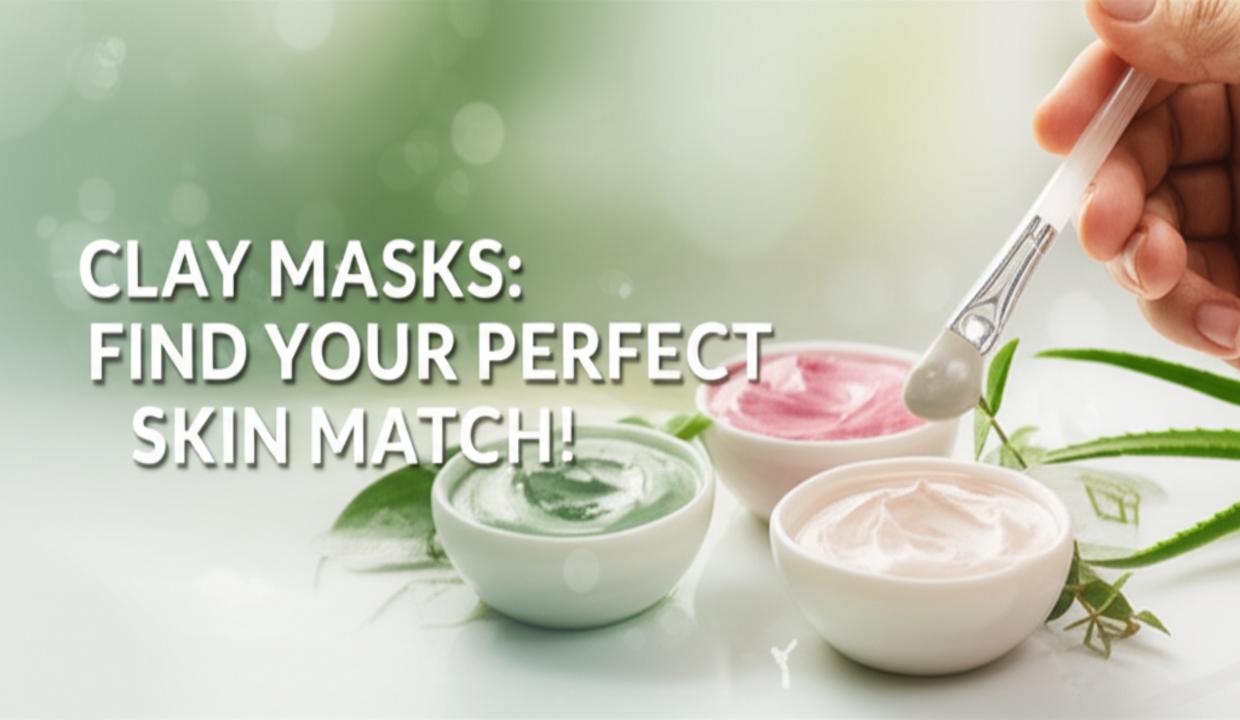
Welcome to Best Clay Masks, your ultimate guide to achieving flawless skin! Have you ever felt overwhelmed by the sheer number of skincare products available, especially when it comes to face masks? You’re not alone. Many people grab a clay mask hoping for a miracle, only to find it either too drying, not effective enough, or even irritating.
The secret to unlocking the full potential of clay masks lies in understanding your unique skin type. What works wonders for oily, acne-prone skin might be detrimental to sensitive or dry complexions. This comprehensive guide will walk you through the world of clay masks, helping you find your perfect match for a healthy, radiant glow.
Unveiling the Power of Clay Masks
Clay masks have been a staple in skincare rituals for centuries, revered for their natural ability to draw out impurities, absorb excess oil, and purify the skin. They are derived from natural minerals found in the earth, each boasting a unique composition and set of benefits. From detoxifying to soothing, there’s a clay mask designed for nearly every skin concern.
These natural wonders work by creating a magnetic-like pull on the skin, literally drawing out dirt, grime, and environmental pollutants that can clog pores and lead to breakouts. They can leave your skin feeling incredibly clean and refreshed, providing a true spa-like experience right at home.
Why Your Skin Type Dictates Your Best Clay Mask Choice
Just as you wouldn’t use shampoo for oily hair on dry strands, selecting a clay mask requires a tailored approach based on your skin’s specific needs. Your skin type—whether it’s oily, dry, sensitive, normal, or combination—determines which type of clay will offer the most benefits without causing irritation or imbalance. Applying the wrong mask can strip essential moisture from dry skin or not effectively purify oily skin, leading to disappointment and potential skin issues.
Understanding your skin’s unique characteristics is the first step towards achieving a balanced and healthy complexion. Remember, skincare is not one-size-fits-all, and this principle holds especially true for the powerful properties of clay masks. For deeper insights into matching masks with your skin, you might find valuable resources like this one on how to choose the best face mask for your skin type.
Top Clay Masks for Oily and Acne-Prone Skin
If you battle with shine, enlarged pores, and frequent breakouts, specific clay types can be your skin’s best friend. These clays are masters at absorbing excess sebum and purifying congested pores.
Bentonite Clay: The Deep Pore Purifier
Bentonite clay is a powerhouse for oily and acne-prone skin. It possesses an incredible ability to absorb deep oils, dirt, and impurities from within the pores, making it ideal for skin prone to clogging and breakouts. Its strong absorbent properties help to detoxify the skin, leaving it feeling remarkably clean and fresh. Many find that regular use helps to minimize the appearance of pores and reduce the frequency of acne flare-ups.
Green Clay: The Balancing Act
Also known as French Green Clay, this variety is highly regarded for its anti-inflammatory and balancing properties. It’s excellent for absorbing excess oil and impurities, making it a superb choice for acne-prone oily skin. Green clay helps to regulate sebum production while also soothing inflammation associated with breakouts, promoting a clearer and calmer complexion. It’s a fantastic option for those seeking a detoxifying yet gentle treatment.
Pink and Rhassoul Clay: Soothing Spot Treatment
While often recommended for sensitive skin, Pink Clay and Rhassoul Clay can also be beneficial for acne-prone skin, particularly for reducing redness and calming existing spots. For instance, the Evanhealy French Rose Clay Mask, which combines these two clays, is noted for its ability to calm inflammation and reduce the appearance of blemishes, offering a gentler alternative to more aggressive acne treatments. These clays help to purify without over-drying, which is crucial even for oily skin.
According to recent research, clay masks have shown significant efficacy in managing oily and acne-prone skin by absorbing sebum and reducing inflammation, which supports the benefits of these specific clay types. For more detailed information on various clay types, you can explore resources like Ecco Verde’s insights on natural clays.
Gentle Choices for Sensitive Skin
Sensitive skin requires a delicate touch. The right clay mask can soothe and purify without causing irritation or redness. Look for clays known for their mildness and soothing properties.
Pink Clay: The Gentle Purifier
Pink Clay, often a blend of red and white clays, is celebrated for its incredible gentleness. It offers mild exfoliating properties and is highly effective at soothing and purifying sensitive skin without stripping its natural moisture barrier. It helps to draw out impurities and toxins while simultaneously calming inflammation, making it perfect for skin prone to redness or irritation. Many find it leaves their sensitive skin feeling soft, smooth, and refreshed, never tight or dry.
Rhassoul Clay: Soothing and Restorative
Hailing from the Atlas Mountains of Morocco, Rhassoul Clay is another excellent choice for sensitive skin. It’s known for its unique mineral composition, which includes silica, magnesium, and potassium. This clay gently cleanses, detoxifies, and improves skin texture without causing dryness or irritation. Its soothing properties make it ideal for delicate skin, helping to reduce inflammation and promote a healthy, balanced complexion. It’s truly a nourishing treatment for sensitive complexions.
Kaolin Clay: The Mildest Option
Among all clays, Kaolin Clay, especially white or pink varieties, is considered the mildest. It’s perfect for sensitive skin because it purifies and gently exfoliates without over-drying or irritating. Kaolin absorbs excess oil and impurities while maintaining the skin’s natural moisture, making it suitable even for sensitive skin that leans towards dryness. It leaves the skin feeling soft and clean, promoting a healthy glow without any harsh effects.
For more insights into the gentle yet effective properties of various clay masks, particularly those suitable for sensitive skin, resources like Sand & Sky’s guide on understanding clay masks can be quite helpful.
Nourishing Options for Dry and Normal Skin
Even dry and normal skin types can benefit from clay masks, provided you choose formulations that purify without stripping moisture. The key is to find clays that offer detoxifying and remineralizing properties while also hydrating.
Kaolin Clay: Hydrating Purification
For dry and normal skin, Kaolin Clay stands out as an excellent choice. Unlike more absorbent clays, Kaolin purifies the skin and tightens pores without causing excessive dryness. Instead, it offers hydrating and soothing benefits, leaving the skin feeling soft and nourished. It’s gentle enough to remove impurities while ensuring the skin’s natural moisture balance is maintained. Both white and pink Kaolin are great for these skin types, offering a mild detox without discomfort.
Some clays can also provide valuable detoxifying and remineralizing properties that actively add moisture and natural balance to dry skin. This means you can still enjoy the benefits of a clay mask—like improved clarity and a refined texture—without worrying about exacerbating dryness. Look for masks that incorporate humectants or moisturizing ingredients alongside Kaolin clay for an extra boost of hydration.
The Balancing Act: Clay Masks for Combination Skin
Combination skin is a puzzle, featuring both oily and dry or normal areas. The ideal clay mask for this skin type needs to balance these opposing needs—absorbing oil in the T-zone while hydrating and soothing drier cheeks.
Pink Clay: The Perfect Harmonizer
Pink Clay is a superb choice for combination skin. Its gentle yet effective properties allow it to balance oiliness in areas like the forehead, nose, and chin, while simultaneously providing soothing hydration to drier patches. It purifies without over-drying, ensuring that both oily and normal/dry areas are treated appropriately. This makes it an ideal all-rounder for complexions that present varied needs across the face.
Kaolin Clay: Targeted Balance
Similar to Pink Clay, Kaolin Clay is also highly suitable for combination skin. Its mild absorbent properties help to manage excess oil in the T-zone without stripping moisture from the drier parts of the face. Using a Kaolin-based mask can help achieve a more uniform skin texture and tone across the entire face. For a more targeted approach, some individuals might even consider multi-masking, applying a stronger clay (like Bentonite) to oily areas and a milder one (like Kaolin) to drier areas.
Choosing a clay mask for combination skin is about finding that sweet spot of purification and hydration. Both Pink and Kaolin clays offer this harmonious balance, making them excellent choices for maintaining skin health across diverse facial zones.
Common Misconceptions About Clay Masks
While clay masks are incredibly beneficial, there are a few myths circulating that need to be addressed to ensure you’re using them effectively and safely.
Myth 1: Clay Masks Provide Significant Exfoliation
It’s a common misconception that clay masks inherently exfoliate the skin. In reality, clay masks usually do not provide significant exfoliation on their own, unless they are specifically formulated with exfoliating acids like AHAs or BHAs. Their primary function is absorption and purification. Relying on masks solely for exfoliation might leave you disappointed. For proper exfoliation, consider dedicated exfoliating products.
Myth 2: One Mask Fits All, Always
Your skin needs are not static; they change with seasons, environmental conditions, and even your diet or stress levels. Therefore, relying on just one type of clay mask year-round might not be optimal. It is highly recommended to rotate different masks tailored to your current skin needs. For example, use a more absorbent mask during humid summer months and a gentler, more hydrating one during dry winter periods.
Myth 3: All Drying Clay Masks Are Good For You
Many traditional clay masks are designed to dry completely on the skin, often leaving a tight, uncomfortable feeling. However, many of these drying clay masks may not suit all skin types, especially those requiring hydration. Over-drying can strip the skin’s natural oils, leading to irritation, redness, or even triggering more oil production as the skin tries to compensate. Look for masks that dry without leaving your skin feeling parched.
Always remember that a healthy skincare routine involves understanding your products and how they interact with your skin. For further reading on effective skincare, you can check out expert advice from sources like Sarah Freia’s insights on best clay masks.
Summary Table: Your Quick Guide to Clay Masks
| Skin Type | Best Clay Mask Type | Key Benefits |
|---|---|---|
| Oily / Acne-Prone | Bentonite, Green Clay, Pink & Rhassoul | Absorbs oil, detoxifies, reduces redness, calms spots |
| Sensitive | Pink Clay, Rhassoul Clay, Kaolin | Gentle, soothing, reduces inflammation |
| Dry / Normal | Kaolin Clay (White/Pink) | Hydrates, purifies, tightens pores |
| Combination | Pink Clay, Kaolin Clay | Balances oil and moisture |
Watch More in This Video
For a detailed visual guide and expert tips on selecting the perfect clay mask for your skin type, check out this informative video. Search for “Best Clay Masks for Your Skin Type 2025” on YouTube to find the latest dermatologist recommendations and usage guides.
Frequently Asked Questions About Clay Masks
- How often should I use a clay mask?
For most skin types, using a clay mask 1-2 times per week is sufficient. Oily skin might tolerate 2-3 times, while sensitive or dry skin may prefer just once a week or every two weeks. Always listen to your skin and adjust frequency as needed to avoid over-drying or irritation. Consistency is key, but so is balance.
- Can I multi-mask with different clays?
Absolutely! Multi-masking is an excellent strategy, especially for combination skin. You can apply a stronger, oil-absorbing clay like Bentonite to your T-zone (forehead, nose, chin) and a gentler, hydrating clay like Kaolin to drier areas like your cheeks. This allows for targeted treatment, addressing specific concerns across different areas of your face effectively.
- Do clay masks help with acne scars?
While clay masks can help reduce inflammation and absorb impurities that contribute to active breakouts, they generally do not directly treat or fade existing acne scars. For acne scars, treatments like chemical peels, microneedling, or laser therapy are typically more effective. Clay masks are best for managing current breakouts and preventing new ones, not for scar revision.
- Should I moisturize after a clay mask?
Yes, always! Even the most hydrating clay masks can leave your skin feeling somewhat dry or tight as they draw out impurities. After rinsing off your clay mask, it’s crucial to follow up with a hydrating toner, serum, and a good moisturizer. This helps to restore your skin’s moisture barrier and lock in hydration, ensuring your skin remains soft, supple, and balanced.
- Are natural clay masks always better?
Natural clays offer wonderful benefits due to their mineral content, but the overall formulation of a mask matters. Some “natural” masks might still contain irritants for sensitive skin, while some highly effective masks contain beneficial synthetic ingredients alongside natural clays. Always check the ingredient list for potential allergens and ensure the mask is suitable for your specific skin type and concerns. #SkincareSmart
Conclusion
Choosing the best clay mask for your skin type is a transformative step towards achieving a clearer, healthier, and more balanced complexion. By understanding the unique properties of clays like Bentonite, Green, Pink, Rhassoul, and Kaolin, you can confidently select a mask that truly meets your skin’s individual needs.
Remember to consider your skin’s ever-changing condition, avoid common misconceptions about exfoliation, and always follow up with proper hydration. With the right clay mask, you’re not just applying a product; you’re indulging in a ritual that purifies, nourishes, and revitalizes your skin, bringing you closer to that flawless glow.
We hope this guide has empowered you on your skincare journey. Feel free to share your favorite clay mask experiences in the comments below, or learn more about us and explore other articles on “Best Clay Masks: Find Your Perfect Match for Flawless Skin” to continue your quest for radiant skin. For any specific queries, don’t hesitate to contact us.
Disclaimer: All images and videos are sourced from public platforms like Google and YouTube. If any content belongs to you and you want credit or removal, please inform us via our contact page.