
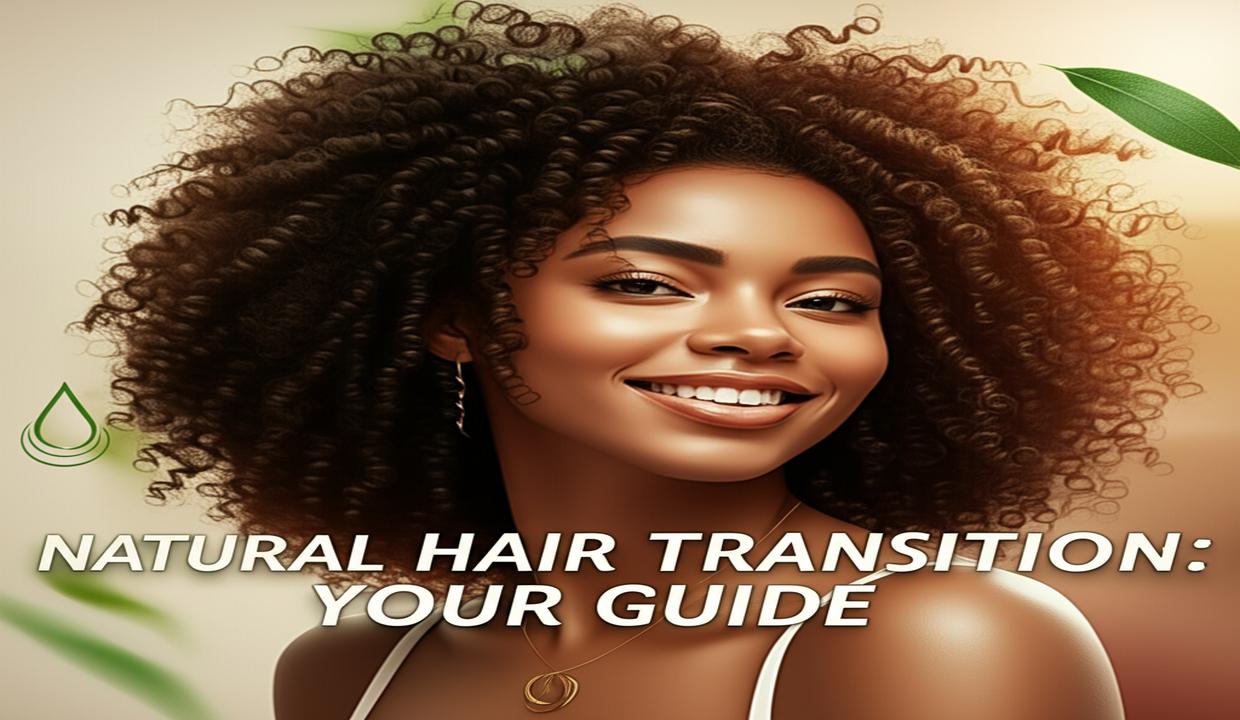
Embarking on a natural hair transition is an exciting and empowering decision for many. It signifies a journey back to your hair’s authentic texture, free from chemical treatments. This process, however, can feel daunting without the right guidance.
You might be wondering how to go natural effectively, or what challenges you’ll face along your natural hair journey. This comprehensive guide is designed to equip you with all the essential tips and strategies for a smooth and successful transition, helping you embrace your beautiful curls or coils.
Embracing Your Natural Hair Journey
The decision to transition to natural hair is a personal one, often driven by a desire for healthier strands, freedom from chemical reliance, or simply curiosity about your true hair texture. This journey is unique for everyone, marked by phases of growth, learning, and self-discovery.
It’s more than just a change in hairstyle; it’s about understanding and nurturing your hair from its roots. Prepare for a period of adjustment, both for your hair and for your routine.
Patience and Realistic Expectations: The Foundation of Your Natural Hair Transition
One of the most crucial pieces of advice for anyone transitioning to natural hair is to cultivate immense patience. This process takes time, often several months, or even a year or more, depending on your hair growth rate and how quickly you want to remove relaxed ends.
Don’t expect overnight results. Your hair needs time to grow out its natural texture, and you’ll need time to learn how to care for it. Set realistic expectations for how your hair will look and feel during each stage, embracing the journey as it unfolds.
The Art of Trimming: Managing Relaxed Ends
As your natural hair grows, you’ll have two distinct textures: your new growth and the remaining chemically relaxed hair. The junction where these two textures meet is often the most fragile point, prone to breakage.
Regular trimming is key to minimizing this breakage and gradually eliminating the relaxed ends. Consider trimming your ends every 6-8 weeks. This gradual approach allows you to maintain some length while slowly shedding the processed hair, avoiding the shock of a sudden “big chop” if you’re not ready.
These consistent trims contribute significantly to the overall health and integrity of your strands during the natural hair transition. It helps maintain a neater appearance as your natural texture emerges.
Deep Conditioning: Your Hair’s Best Friend
Moisture is paramount when you’re transitioning to natural hair. Both your natural new growth and your relaxed ends crave hydration. Deep conditioning treatments are your secret weapon against dryness and breakage.
Aim to deep condition at least once a week. Choose rich, emollient-rich formulas that penetrate deeply, providing intense moisture and strengthening the hair shaft. This practice will significantly improve the elasticity and manageability of your hair.
Regular deep conditioning helps to restore vitality, making your hair feel softer and look healthier as you progress on your natural hair journey.
Protective Styling: Shielding Your Strands
Protective styles are invaluable tools during your transition. They help minimize manipulation, reduce breakage, and cleverly blend the two different hair textures. Styles like braids, twists, buns, flexi-rod sets, and Bantu knots are excellent options.
These styles keep your delicate transitioning hair tucked away, shielding it from environmental stressors and constant handling. When choosing a protective style, ensure it’s not too tight, as excessive tension can lead to traction alopecia or breakage, defeating the purpose.
Exploring various protective styles can also make your natural hair transition more fun and versatile. For more insights on styling, you might find valuable resources on caring for transitioning hair.
Mastering Moisture for Healthy Transitioning Hair
Beyond deep conditioning, consistent daily or bi-daily moisturization is critical. Dryness is the enemy of transitioning hair, as it exacerbates fragility and breakage, particularly at the point where relaxed and natural textures meet.
Opt for sulfate-free shampoos and conditioners, as sulfates can strip your hair of its natural oils. Follow up with leave-in conditioners, moisturizing creams, and natural oils or butters (like shea butter or coconut oil) to seal in moisture.
Pay special attention to your ends, which are often the driest and most vulnerable. This consistent hydration is a cornerstone of effective natural hair care tips.
Nighttime Hair Care Essentials
The way you treat your hair overnight can have a significant impact on its health during the transition. Cotton pillowcases can absorb moisture from your hair and create friction, leading to tangles, frizz, and breakage.
To combat this, invest in a satin or silk bonnet or pillowcase. These materials allow your hair to glide freely, retaining moisture and reducing friction. This simple step can make a big difference in the morning, minimizing tangles and preserving your style.
Gentle Detangling Techniques
Detangling can be a challenge with two different textures. Improper detangling is a major cause of breakage. Always start by detangling your hair when it’s damp, preferably after applying a conditioner or detangling spray.
Use a wide-tooth comb or, even better, your fingers, to gently work through knots. Begin detangling from the ends of your hair and slowly work your way up to the roots. Never rip or pull at your hair, especially at the point where the relaxed and natural textures meet.
Patience and gentleness are key to preserving your delicate strands throughout your natural hair journey.
Finding Your Community and Support
The natural hair journey can be emotional and challenging at times, especially when you encounter setbacks or social pressures. Finding a community of like-minded individuals can provide invaluable support, advice, and motivation.
Connect with others who are also transitioning or have already gone natural through online forums, social media groups, or local meetups. Sharing experiences and tips can make the process feel less isolating and more encouraging. You are not alone in this beautiful transformation.
This community can be a source of constant encouragement, helping you stay committed to your goals and providing a safe space to discuss your hair triumphs and struggles. Discover how others manage their long-term transition to natural hair.
Adapting Your Natural Hair Routine
What worked for your relaxed hair likely won’t work for your transitioning or natural hair. This phase is all about experimentation. Be open to trying different products, ingredients, and styling methods to discover what truly works best for your unique hair type and its evolving texture.
Your hair’s needs will change as more of your natural texture grows in. Pay attention to how your hair responds to different products and adjust your routine accordingly. This adaptability is a hallmark of a successful natural hair transition.
It’s a continuous learning process, so embrace the opportunity to become an expert on your own hair. For detailed steps on how to go natural, consider reviewing a comprehensive step-by-step guide.
The Big Chop vs. Gradual Transition: Making Your Choice
One of the biggest decisions you’ll face is whether to do the “big chop” or transition gradually. The big chop involves cutting off all relaxed hair at once, leaving you with only your new natural growth, often a very short style.
The gradual transition, as discussed, involves slowly trimming the relaxed ends over time. Both methods are valid, and the best choice depends on your comfort level, lifestyle, and patience.
If you’re not ready for the dramatic change of a big chop, a gradual transition is perfectly viable but requires extra care to prevent breakage at the two-texture demarcation line. There are many ways to manage your transitioning natural hair, so choose what feels right for you.
Watch More in This Video
Frequently Asked Questions About Transitioning to Natural Hair
- How long does a natural hair transition typically take?
The length of a natural hair transition varies greatly among individuals, depending on your hair growth rate, how often you trim, and your preferred natural hair length. It can take anywhere from 6 months to 2 years or even longer. Patience is truly key.
- What are the best products for transitioning hair?
Look for products that are sulfate-free, paraben-free, and rich in moisturizing ingredients like natural oils (coconut, jojoba, argan), shea butter, and aloe vera. Focus on deep conditioners, leave-in conditioners, and gentle cleansers specifically formulated for natural or transitioning hair.
- How do I deal with the two different textures during transition?
The key is to minimize manipulation at the demarcation line where the textures meet. Use protective styles like twists, braids, or roller sets to blend the textures. Always be gentle when detangling, starting from the ends and working your way up.
- Is it normal for transitioning hair to break a lot?
Some breakage is common, especially at the fragile line where the relaxed hair meets the natural new growth. However, excessive breakage indicates a need for more moisture, gentler handling, or more frequent trims. Deep conditioning and protective styles are crucial to minimize this.
- Can I use heat on my transitioning hair?
It’s best to minimize heat usage during your transition. Heat can cause irreversible damage to your natural curl pattern and lead to breakage, especially at the delicate demarcation line. If you must use heat, always apply a heat protectant and use the lowest setting.
Conclusion
The natural hair transition is a remarkable journey of self-discovery and hair health. By embracing patience, prioritizing moisture and protection, and being adaptable in your routine, you can navigate this phase with confidence and emerge with strong, vibrant natural hair.
Remember, your natural hair journey is unique, so celebrate every milestone and learn from every experience. We hope these natural hair care tips empower you on your path to embracing your authentic self. Feel free to share your own transition stories or insights in the comments below, or contact us if you have more questions!
For more great articles and advice, feel free to read other articles on our site, or learn more about us. Embrace your #NaturalHairJourney!
Disclaimer: All images and videos are sourced from public platforms like Google and YouTube. If any content belongs to you and you want credit or removal, please inform us via our contact page.