
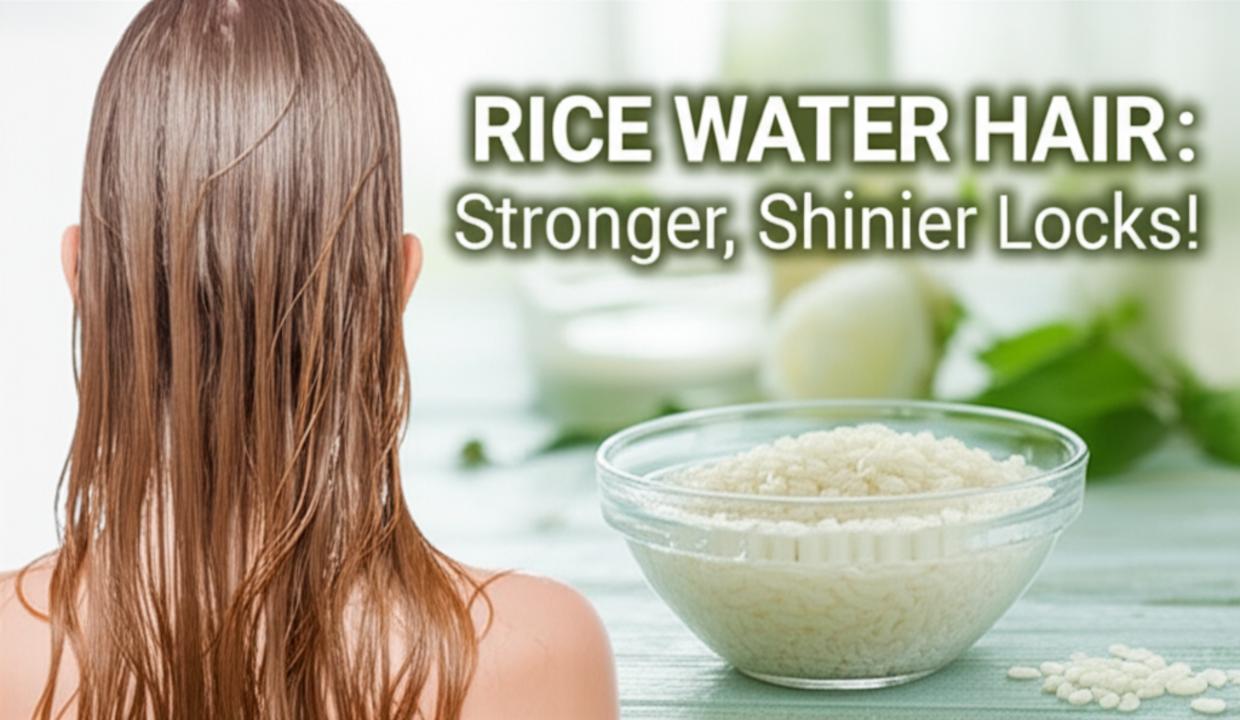
Welcome to Transform Hair, your ultimate guide to achieving luscious, strong locks the natural way! Have you ever wondered if there’s a simple, affordable secret to healthier hair that many cultures have embraced for centuries? Look no further than rice water. This ancient beauty remedy, derived from the water left over after soaking or boiling rice, is making a significant comeback in modern hair care routines. It’s lauded for its potential to transform dull, weak strands into vibrant, resilient tresses.
In this comprehensive article, we’ll dive deep into how to use rice water for stronger hair. We’ll cover everything from the science behind its benefits to detailed preparation methods, application techniques, and crucial tips for integrating it into your routine effectively. Get ready to unlock the power of this simple yet potent DIY hair treatment and embark on your journey to truly revitalized hair.
Main Highlights: How to Use Rice Water for Stronger Hair
Using rice water for hair is an age-old tradition that focuses on enhancing hair strength and vitality. The process is remarkably straightforward, yet its impact can be profound. It involves soaking rice to extract its beneficial components, then using this nutrient-rich liquid as a rinse or spray on your hair.
The core benefit lies in the powerful blend of nutrients that rice water offers. These include essential proteins, amino acids, antioxidants, and vitamins, all working in harmony to support overall hair health. Regular application can lead to noticeable improvements in hair texture, shine, and manageability, making it a cornerstone of effective hair growth tips.
The Science Behind Rice Water for Hair Strength
So, what exactly makes rice water for hair so beneficial? The answer lies in its rich composition. When rice is soaked, it releases a bounty of components into the water, acting as a natural powerhouse for your strands. One of the most significant elements is protein.
Hair itself is primarily composed of protein (keratin), and rice water provides a gentle, natural protein boost that helps to repair and strengthen the hair shaft. This process directly contributes to reducing breakage and split ends, leading to visibly stronger hair over time. It’s like giving your hair a foundational building block for resilience.
Beyond protein, rice water contains a wealth of amino acids. These are the building blocks of proteins, and their presence helps to improve hair elasticity. Enhanced elasticity means your hair can stretch more without snapping, leading to less damage during styling and brushing. This makes your hair more pliable and less prone to stress.
Furthermore, rice water is packed with antioxidants, including inositol. Inositol is particularly noteworthy as it is believed to penetrate the hair shaft and remain there even after rinsing, offering continued protection against damage. This protective layer helps to smooth the hair cuticles, resulting in increased shine and a silky-smooth texture. Vitamins B and E, also found in rice water, contribute to scalp health and hair nourishment, supporting a healthy environment for hair growth. These combined rice water benefits make it a compelling natural option.
Preparing Your Own Rice Water: Step-by-Step Guide
Creating your own DIY hair treatment with rice water is simple and requires minimal ingredients. The key is in the preparation method, which influences the potency and nutrient profile of your rinse. You have a few options, each with its own advantages.
Method 1: The Quick Soak
- Rinse the Rice: Start by thoroughly rinsing about one cup of uncooked rice (white or brown works well, though white rice is common) under cold water. This removes any impurities or excess starch.
- Soak: Place the rinsed rice in a bowl and add two to three cups of clean, room temperature water.
- Steep: Let the rice soak for approximately 30 minutes. During this time, the beneficial nutrients will begin to leach into the water.
- Strain: Strain the rice water into a clean container, such as a spray bottle or jar. Your quick rice water is ready for use!
Method 2: The Fermented Rice Water Method
This method is often preferred for maximizing rice water benefits, as fermentation enhances the nutrient content and lowers the pH, making it closer to the natural pH of your hair. This helps to close the hair cuticles, leading to smoother, shinier hair.
- Rinse and Soak: Follow the initial steps from Method 1 – rinse one cup of rice and soak it in two to three cups of water.
- Ferment: Instead of 30 minutes, let the rice soak at room temperature for 12 to 24 hours, or even up to two days. The longer period encourages mild fermentation. You might notice a slight sour smell, which indicates fermentation is occurring. Do not let it ferment for too long, as it can become overly acidic or spoil.
- Strain and Store: Strain the fermented rice water into an airtight container. It can be stored in the refrigerator for up to one week. If the smell becomes too strong, you can dilute it with plain water before use.
Applying Rice Water for Maximum Benefits
Once your rice water for hair is prepared, proper application is crucial to reaping its full potential. The goal is to ensure even distribution and allow sufficient time for the nutrients to penetrate your hair and scalp.
Begin by shampooing your hair as usual to ensure it is clean and free from product buildup. After rinsing out your shampoo, your hair is primed to absorb the benefits of the rice water. You can apply it in a few ways:
- As a Rinse: If using a bowl, slowly pour the rice water over your hair, ensuring it saturates your scalp and strands from root to tip. You can use a wide-tooth comb to help distribute it evenly.
- As a Spray: If you’ve transferred the rice water to a spray bottle, mist your hair generously until it’s damp, focusing on your scalp and the lengths of your hair. This method is convenient for targeting specific areas.
After applying, gently massage your scalp for a few minutes to stimulate blood circulation and encourage absorption. Leave the rice water on your hair for 10 to 20 minutes. This allows ample time for the proteins, amino acids, and other nutrients to work their magic. For an extra boost, you can cover your hair with a shower cap during this time to create a warm environment, which may enhance penetration.
Finally, rinse your hair thoroughly with plain, cool water until all the rice water has been washed out. Follow up with your regular conditioner, especially if your hair tends to feel dry or stiff. Consistent use, typically one to two times per week, will yield the best results for visibly stronger hair. Remember, the journey to beautiful hair is a marathon, not a sprint!
Understanding Fermentation: The Key to Enhanced Rice Water
The concept of fermented rice water might seem unusual, but it’s a technique deeply rooted in traditional Asian hair care, particularly among the Yao women of Huangluo Village in China, renowned for their incredibly long, healthy hair. This practice isn’t just an old wives’ tale; there’s a compelling reason behind its effectiveness in delivering superior rice water benefits.
When rice water ferments, a natural process occurs where bacteria break down the starches into beneficial byproducts. This process increases the concentration of antioxidants and vitamins. More importantly, fermentation lowers the pH level of the rice water. Our hair’s natural pH is slightly acidic, and using a rinse with a similar pH helps to smooth and flatten the hair cuticles. This seals in moisture, reduces frizz, and significantly enhances shine, contributing greatly to stronger hair and improved appearance.
Fermented rice water also contains pitera, a yeast-derived byproduct rich in amino acids, minerals, and organic acids. Pitera is a common ingredient in high-end skincare products, celebrated for its anti-aging and skin-renewing properties. When applied to hair, it can offer similar revitalizing effects, nourishing the scalp and strands from within. This advanced preparation method elevates rice water from a simple rinse to a potent, nutrient-dense elixir for your locks.
Is Rice Water Right for Your Hair? Considerations & Tips
While rice water for hair offers compelling rice water benefits, its effectiveness can vary depending on individual hair types and how it’s used. It’s an affordable and natural DIY hair treatment, but understanding your hair’s needs is key to success.
For most hair types, rice water can be a fantastic addition to a hair care routine, promoting stronger hair and better health. However, there are a few considerations:
- Protein Sensitivity: Hair that is naturally low in porosity (meaning its cuticles are tightly closed and don’t easily absorb moisture) can sometimes be sensitive to protein treatments. While rice water offers a gentle protein, overuse on low-porosity hair might lead to stiffness or a crunchy texture, a condition known as protein overload. If this happens, simply reduce the frequency of use.
- Buildup Prevention: To avoid any potential buildup on your scalp or hair strands, it’s crucial to rinse your hair thoroughly after using rice water. Pairing it with your routine shampoo and conditioner is essential. Don’t skip your regular cleansing steps.
- Frequency: For most people, using rice water one to two times per week is sufficient to see results without overdoing it. Listen to your hair; if it feels great, maintain that frequency. If it feels stiff, reduce it.
- Consistency: Like any natural remedy, consistent use over time is where the real magic happens. Don’t expect immediate overnight transformations. Be patient and give your hair time to respond to this nourishing treatment. It’s a journey towards healthier hair.
Pros and Cons of Using Rice Water
| Pros | Cons |
|---|---|
| Promotes stronger hair and reduces breakage. | Effectiveness varies by individual hair type. |
| Enhances hair elasticity and smoothness. | Potential for protein overload (stiffness) with overuse, especially for low-porosity hair. |
| Adds natural shine and softness. | Limited scientific evidence to fully support all claims. |
| Nourishes scalp health with antioxidants and vitamins. | Requires consistent application for noticeable results. |
| Inexpensive and easy to prepare at home (DIY hair treatment). | Strong smell from fermented rice water might be off-putting to some. |
| Can contribute to overall hair growth tips strategy. | Requires thorough rinsing to prevent buildup. |
Advanced Tips for Your Rice Water Routine
Ready to take your rice water for hair routine to the next level? Here are some advanced tips and considerations to maximize those incredible rice water benefits.
- Experiment with Rice Types: While white rice is common, some people find benefits from using brown rice or even black rice due to their slightly different nutritional profiles. Brown rice, for example, retains more of its nutrients as it’s less processed.
- Add Essential Oils: To enhance the benefits and mask the potential fermented smell, consider adding a few drops of essential oils to your strained rice water. Lavender, rosemary, peppermint, or tea tree oil are excellent choices. Rosemary oil, in particular, is often lauded for its hair growth stimulating properties, making it a powerful complement to your DIY hair treatment. Always dilute essential oils properly before application.
- Rinse Out vs. Leave-In: For most, a rinse-out treatment is ideal. However, some with very dry or coarse hair might experiment with a small amount of diluted, quickly-soaked rice water as a leave-in spray, focusing on the ends. Be cautious with this approach to avoid buildup or stiffness.
- Understand Your Porosity: Knowing your hair’s porosity level can help you fine-tune your rice water routine. If you have low porosity, perhaps use rice water less frequently or opt for the quick soak method. High porosity hair might benefit more from the fermented version and more frequent use.
- Beyond the Hair: Remember, the journey to stronger hair also involves internal nourishment. A balanced diet rich in proteins, vitamins, and minerals supports healthy hair growth from within. Think of rice water as a fantastic external booster.
While the benefits of rice water for hair are widely reported through anecdotal evidence and traditional practices, it’s important to note that extensive scientific research specifically on its hair benefits is still developing. However, the individual components of rice (proteins, amino acids, vitamins) are well-known for their hair-supporting properties. As one blog notes, the appeal lies in its natural, accessible nature, echoing centuries-old wisdom. For more information on incorporating this into your routine, you can explore resources like why you should be incorporating rice water into your hair routine, or a complete guide to rice water hair rinse.
FAQ
- How often should I use rice water for hair?
Most experts recommend using rice water for hair one to two times per week. This frequency allows your hair to absorb the benefits without risking protein overload or buildup. Adjust based on your hair’s response; if it feels stiff, reduce the frequency.
- Can rice water help with hair growth?
While rice water for hair is primarily known for strengthening and improving hair condition, consistent use can create a healthier scalp environment and reduce breakage, which indirectly supports longer hair growth by retaining length. Many consider it a valuable part of their hair growth tips strategy.
- Is fermented rice water better than plain rice water?
Fermented rice water is often considered more beneficial because the fermentation process lowers its pH, making it closer to the natural pH of hair. This helps to close the hair cuticles, leading to smoother, shinier hair and enhanced nutrient absorption, maximizing your rice water benefits.
- What are the potential side effects of using rice water?
The most common side effect is protein overload, which can make hair feel stiff or dry, especially for low-porosity hair. This is usually due to overuse. Ensure thorough rinsing and adjust frequency to avoid this. If you experience irritation, discontinue use.
- Can I leave rice water in my hair overnight?
It’s generally not recommended to leave rice water in your hair overnight, especially fermented rice water, as it can lead to excessive protein buildup, stiffness, or even an unpleasant odor. A 10-20 minute application followed by a thorough rinse is usually sufficient.
- Does rice water work for all hair types?
While many hair types can benefit, individual results vary. Those with fine, damaged, or brittle hair often see the most dramatic improvements in strength and shine. People with low-porosity hair should use it cautiously to avoid protein overload. Always perform a patch test if unsure.
Conclusion
Embarking on a journey with rice water for hair can be a transformative experience for your locks. This simple, natural, and highly accessible DIY hair treatment offers a wealth of nutrients that contribute to visibly stronger hair, enhanced shine, and improved overall health. By understanding the science behind its effectiveness and meticulously following preparation and application guidelines, you can unlock the age-old secrets that generations have cherished.
Remember, consistency is key, and listening to your hair’s unique needs will guide you to the perfect routine. Whether you’re seeking to reduce breakage, boost shine, or simply support healthier strands, rice water presents a compelling, budget-friendly solution. We hope this guide empowers you to confidently integrate this ancient practice into your modern hair care regimen. Feel free to share your experiences and insights in the comments below! For more inspiring hair care tips and guides, be sure to visit our About Us page and explore other articles on our site. If you have further questions, don’t hesitate to contact us. Happy hair journey, #TransformHair!
Watch More in This Video
Disclaimer: All images and videos are sourced from public platforms like Google and YouTube. If any content belongs to you and you want credit or removal, please inform us via our contact page.