
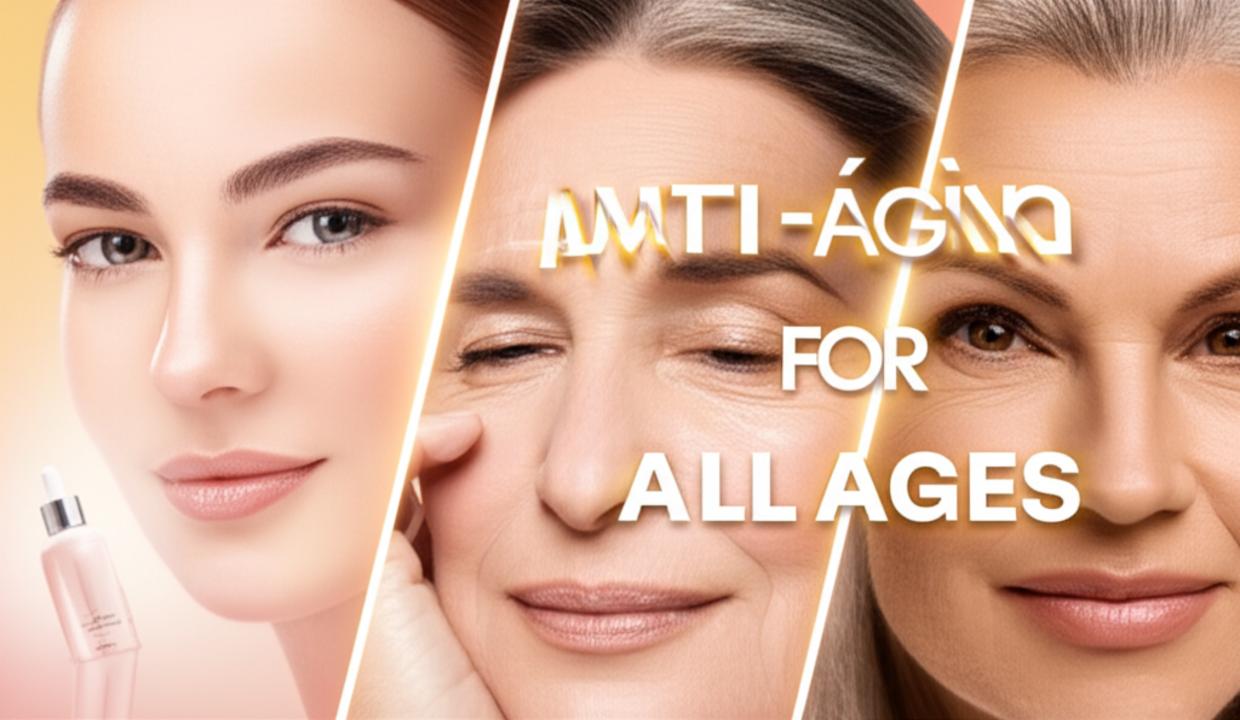
Welcome to “Excellent Anti-Aging Tips: Look Younger at Any Age”! We all dream of maintaining vibrant, youthful skin, but the truth is, what works for a teenager might not be ideal for someone in their 60s. Your skin’s needs change significantly as you age, making a one-size-fits-all approach to anti-aging simply ineffective. Understanding these shifts is key to truly achieving radiant skin throughout your life.
This comprehensive guide dives deep into age-specific anti-aging tips, ensuring you have the right tools and knowledge for every decade. We’ll explore targeted skincare routines, essential ingredients, and crucial lifestyle choices that help you embrace your age while looking and feeling your best. Get ready to discover the secrets to preserving your skin’s health and vitality, no matter how many candles are on your birthday cake. Let’s unlock your
The Evolving Canvas: Anti-Aging for Every Age Group
Your skin is a dynamic organ, constantly responding to internal and external factors. As the years pass, its biological processes evolve, leading to different challenges and requirements. This is why anti-aging tips vary significantly by age group. From preventing early damage in your youth to nourishing delicate mature skin, a tailored approach is essential for achieving the best possible results and helping you
Embracing these age-specific strategies means working with your body, not against it. It’s about proactive care and mindful adjustments that support your skin’s natural functions at every stage. Let’s break down the optimal strategies for each phase of life.
Teens to 20s: The Foundation Phase for Lifelong Radiance
The teenage years and early twenties are the crucial “foundation phase” for your skin. This is when you lay the groundwork for future skin health. While visible signs of aging might seem distant, this is precisely when prevention is most effective. Habits formed now will impact your skin for decades to come, making proactive
Essential Daily Routine
- Cleanse: Start and end your day with a gentle, water-based cleanser. This removes impurities, excess oil, and makeup without stripping your skin.
- Tone: Follow with a hydrating, alcohol-free toner to balance skin pH and prepare it for subsequent products.
- Moisturize: Even oily or acne-prone skin needs moisture. Opt for a lightweight, non-comedogenic moisturizer to maintain the skin barrier and prevent dryness, which can paradoxically trigger more oil production.
- Sunscreen: This is arguably the most critical step. Apply a broad-spectrum sunscreen with at least
Acne Management and Prevention
Acne breakouts are common in this age group due to hormonal fluctuations. To manage them effectively, use water-based, oil-free cleansers and moisturizers. Avoid harsh scrubbing or over-drying products, which can irritate the skin and worsen breakouts. Focus on gentle, consistent care.
Introducing Preventive Ingredients
While strong anti-aging ingredients aren’t necessary yet, this is a good time to cautiously introduce gentle retinoids. These vitamin A derivatives promote cell turnover and collagen production, starting the prevention of premature aging signs. Begin with a low concentration and use a few times a week to allow your skin to adjust. Always pair retinoids with diligent sunscreen use, as they can increase sun sensitivity.
Lifestyle Choices: Your Skin’s Best Friends
Your lifestyle profoundly impacts your skin’s health. Adopt healthy habits that support overall well-being and, by extension, skin vitality. Ensure you get good sleep hygiene, aiming for 7-9 hours of quality rest nightly. Follow a balanced diet rich in fruits, vegetables, and whole grains, which provide essential vitamins and antioxidants. Regular exercise boosts circulation, delivering nutrients to your skin. Practice stress management techniques, as chronic stress can trigger breakouts and inflammation. Finally, resist the urge to pick at acne, which can lead to scarring and further irritation. Avoiding tanning, whether from natural sun or tanning beds, is also paramount. A natural tan is actually a sign of skin damage, accelerating the aging process and increasing the risk of skin cancer.
30s to 50s: Early to Middle Aging – Targeted Intervention
As you move into your 30s, and certainly by your 40s and 50s, your skin undergoes more noticeable changes. Collagen and elastin production, vital for skin firmness and elasticity, begins to slow significantly. Hormonal shifts, such as drops in estrogen, can further exacerbate issues like dryness and reduced skin resilience. You might start noticing fine lines, wrinkles, reduced elasticity, and the appearance of age spots. This is the stage for more targeted and potent
Powerhouse Ingredients for Repair and Protection
This is the time to embrace active ingredients that repair past damage and protect against future signs of aging. Incorporate products with:
- Glycolic Acid: An Alpha Hydroxy Acid (AHA) that gently exfoliates, increasing cell turnover and improving skin texture and tone.
- Hyaluronic Acid: A hydration hero! It can hold up to
- Antioxidants: Ingredients like Vitamin C, Vitamin E, and Ferulic Acid combat free radical damage from environmental stressors like pollution and UV radiation. Vitamin C is particularly effective at brightening skin and promoting collagen synthesis.
- Stronger Retinoids: If you started gently in your 20s, now is the time to increase concentration or frequency. Retinoids are gold standard for stimulating collagen, reducing wrinkles, and improving skin texture. Consult with a dermatologist for prescription-strength options if needed.
Unwavering Sun Protection
The importance of daily sunscreen use cannot be overstated. UV damage is the primary cause of visible aging, accelerating the breakdown of collagen and elastin and leading to hyperpigmentation. Continue to apply a broad-spectrum
Consider Cosmetic Options
For more visible signs of aging, such as deeper wrinkles or volume loss, this age group might consider professional cosmetic treatments. Options like
Holistic Lifestyle for Enduring Youth
Just as in your earlier years, lifestyle remains a critical component of healthy aging. Maintain a nutritious diet rich in anti-inflammatory foods and healthy fats. Continue to manage stress effectively, as chronic stress can accelerate cellular aging. Regular exercise not only benefits your body but also improves blood flow to the skin, promoting a healthy complexion. These holistic practices support both systemic health and skin vitality, helping you
60s and Beyond: Nurturing Mature Skin
As we reach our 60s and beyond, skin becomes increasingly fragile, thinner, and highly sensitive. It’s more prone to dryness, irritation, and slower healing. The focus shifts from aggressive anti-aging to gentle care, deep hydration, and maintaining the skin’s protective barrier. The goal is to soothe, protect, and enhance comfort while still addressing the unique needs of mature skin for those who want to
Ultra-Gentle Skincare Routine
- Cleansing: Use ultra-gentle, non-foaming cleansers that do not strip natural oils. Creamy or oil-based cleansers are excellent choices.
- Toning: Hydrating toners are crucial to provide an initial layer of moisture and soothe sensitivity. Avoid toners with alcohol or harsh astringents.
Intense Hydration Focus
Dryness is a major concern for mature skin. Multi-layer moisturizing is critical. Apply nourishing creams rich in emollients and humectants. Look for ingredients like ceramides, fatty acids, squalane, and soothing botanical extracts such as aloe vera or oat extract. Layering a hydrating serum under a rich cream can provide maximum moisture. Think about the unique needs of women of different ages for different creams to understand this concept fully.
Targeted Anti-Aging Serums for Mature Skin
While gentle, you can still prioritize firming and smoothing serums specifically designed for mature skin. These might contain peptides, growth factors, or gentle forms of retinoids (like bakuchiol) to support elasticity and help reduce the appearance of wrinkles without causing irritation. The goal is to provide beneficial ingredients without overwhelming delicate skin. Dedicated eye creams are also essential to continue caring for the thin, delicate skin around the eyes, which is often the first to show significant signs of aging.
Consistent Sun Protection
Even in later life, consistent application of broad-spectrum
Lifestyle for Overall Vitality
Maintaining a healthy lifestyle is just as important in your golden years. Prioritize nutrition with a diet rich in antioxidants and healthy fats to support skin integrity. Stay well-hydrated by drinking plenty of water throughout the day. Continue with appropriate physical activity, which boosts circulation and overall well-being. Stress reduction techniques are also beneficial for both mental and physical health, reflecting positively on your skin. These practices are cornerstones of anti-aging tips for seniors.
General Tips for All Ages: The Universal Anti-Aging Playbook
While specific routines adapt to your age, some fundamental
Start Early and Be Consistent
Prevention is always easier than correction. Starting anti-aging prevention early, ideally in your mid-20s, with a routine incorporating antioxidants, retinoids, and especially sunscreen, sets your skin up for long-term success. Consistency is key; sporadic care won’t yield the same results as daily dedication.
The Power of Lifestyle Choices
Topical products are powerful, but they are only one piece of the puzzle. Your lifestyle choices are equally, if not more, important for healthy, youthful-looking skin. Prioritize quality sleep, aiming for
Avoid Accelerants of Aging
Certain habits can significantly accelerate the aging process. Excess alcohol consumption can dehydrate the skin and contribute to inflammation. Smoking is one of the worst culprits, causing premature wrinkles, dullness, and a sallow complexion by breaking down collagen and elastin. Poor sleep hygiene leads to tired-looking skin, dark circles, and reduced skin repair. Minimize these habits to protect your skin’s vitality and help you
What’s New in 2025? Embracing Evolving Anti-Aging Science
The field of anti-aging is constantly evolving, with new research and innovations emerging regularly. In
Experts are stressing the importance of early sunscreen use as the single most impactful anti-aging strategy. There’s also a growing consensus on the gradual introduction of active ingredients to prevent irritation, especially for sensitive skin. For mature skin, the focus on deep hydration, barrier support, and soothing ingredients is paramount. Overall, the trend is towards a holistic view where lifestyle choices are seen as equally important as topical products in slowing systemic aging. This comprehensive strategy is truly making
FAQ: Your Anti-Aging Questions Answered
- Q: Can I really reverse wrinkles with anti-aging creams?
A: While creams with ingredients like retinoids and peptides can significantly reduce the appearance of fine lines and wrinkles, and even prevent new ones, they cannot entirely reverse deep wrinkles. For more dramatic results, professional treatments might be necessary.
- Q: At what age should I start using anti-aging products?
A: Prevention is key. Most dermatologists recommend starting a basic preventative anti-aging routine in your mid-20s, focusing on sunscreen, antioxidants (like Vitamin C), and perhaps a gentle retinoid.
- Q: Is sunscreen enough for anti-aging?
A: Sunscreen is the most crucial anti-aging product because UV damage is the primary cause of premature aging. However, combining it with antioxidants, retinoids, and a healthy lifestyle provides comprehensive protection and repair for truly effective
- Q: How important is diet for anti-aging skin?
A: Extremely important! A diet rich in fruits, vegetables, healthy fats (like omega-3s), and lean proteins provides essential nutrients and antioxidants that support collagen production, reduce inflammation, and protect skin cells from damage, contributing significantly to a youthful complexion.
- Q: Can stress really make me age faster?
A: Yes, chronic stress can negatively impact your skin. It can trigger inflammation, impair the skin barrier, and accelerate cellular aging by increasing cortisol levels, leading to issues like breakouts, dullness, and premature wrinkles. Managing stress is a vital part of
Conclusion: Embrace Every Age with Confidence
Achieving radiant, healthy-looking skin at any age isn’t about halting the clock, but rather about understanding and responding to your skin’s evolving needs. From building a strong foundation of prevention in your teens to nurturing and protecting mature skin in your later years, a thoughtful, age-tailored approach is your best ally in the journey of life. Remember that effective
By implementing these strategies, you empower your skin to thrive, allowing you to
Watch More in This Video
Note: The video ID for “Best Anti-Aging Tips for Every Decade | Skincare Routine Explained” was not provided in the input, so please replace “YOUR_YOUTUBE_VIDEO_ID_HERE” with the actual video ID.
Disclaimer: All images and videos are sourced from public platforms like Google and YouTube. If any content belongs to you and you want credit or removal, please inform us via our contact page.