
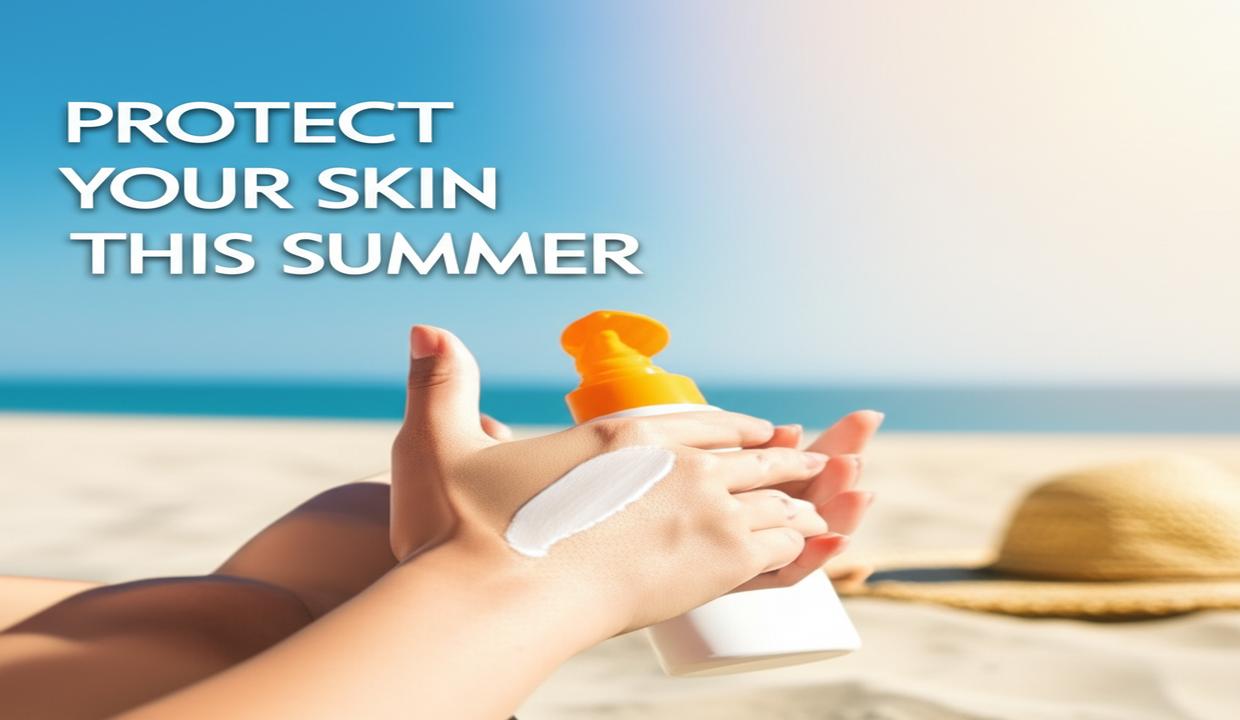
Summer is a season of joy, outdoor adventures, and vibrant energy. However, it also brings intense sun exposure, which can significantly impact your skin’s health. Understanding how to prevent skin damage during summer is not just about avoiding sunburn; it’s about safeguarding your long-term skin vitality and reducing risks like premature aging and skin cancer. This comprehensive guide will equip you with essential sun protection tips, ensuring you can enjoy the sunshine while maintaining healthy summer skin.
Your skin is your body’s largest organ, and it works tirelessly to protect you. During the summer months, it faces unique challenges from increased ultraviolet (UV) radiation, heat, and humidity. These elements can lead to a range of issues, from immediate sunburn to long-term concerns like hyperpigmentation, fine lines, and decreased elasticity. By adopting proactive summer skin care strategies, you can minimize these risks and keep your complexion radiant.
Understanding Summer’s Impact on Your Skin
The primary culprit behind summer skin damage is ultraviolet (UV) radiation from the sun. UV rays are categorized into two main types: UVA and UVB. UVA rays penetrate deep into the skin, contributing to premature aging, wrinkles, and sunspots. UVB rays are shorter and primarily cause sunburn, but they are also a major factor in skin cancer development. Both types of rays can lead to cellular damage over time, compromising your skin’s health and appearance.
Beyond UV rays, the summer environment itself can be taxing. High temperatures and increased sweating can lead to dehydration, making your skin feel dry and tight. Humidity might seem moisturizing, but it can also trap sweat and oils, potentially leading to breakouts. Understanding these challenges is the first step towards building an effective defense strategy for your skin throughout the warmer months.
Your Essential Summer Skin Protection Toolkit
Protecting your skin effectively during summer requires a multi-faceted approach. It’s not just about one product or one habit; it’s about combining several proven strategies to create a robust defense against environmental stressors. Think of it as a daily routine that ensures your skin stays healthy and resilient, even under the brightest sun. These simple yet powerful steps are key to unlocking true summer skin health.
The Power of Sunscreen: Your First Line of Defense
Sunscreen is undeniably the cornerstone of any effective summer skin care regimen. It acts as a protective barrier, deflecting or absorbing harmful UV rays before they can damage your skin cells. Choosing the right sunscreen and applying it correctly are crucial for maximum effectiveness. Always opt for a broad-spectrum sunscreen, which provides protection against both UVA and UVB rays.
Look for products with an SPF (Sun Protection Factor) of 30 or higher. SPF indicates how well the sunscreen protects against UVB rays. For instance, SPF 30 blocks about 97% of UVB rays, while SPF 50 blocks about 98%. While no sunscreen offers 100% protection, higher SPF provides incrementally better defense.
Application is key: apply sunscreen generously to all exposed skin at least 15 to 30 minutes before going outdoors. This allows the product to properly bind to your skin. Don’t forget often-missed areas like your ears, neck, tops of your feet, and even your scalp if your hair is thin. Reapplication is just as important as the initial layer.
You should reapply sunscreen every two hours, or immediately after swimming, heavy sweating, or towel drying. Even “water-resistant” sunscreens lose effectiveness over time, especially with prolonged water exposure. For those with sensitive skin or concerns about chemical filters, mineral-based sunscreens containing zinc oxide or titanium dioxide are excellent alternatives. These ingredients sit on top of the skin and physically block UV rays.
Dress for Success: Protective Clothing Choices
While sunscreen is vital, it shouldn’t be your only defense. Protective clothing offers an immediate and consistent physical barrier against the sun’s rays. Lightweight, tightly woven fabrics are your best friends during summer. Opt for long-sleeved shirts and pants, even when it’s warm, as they provide continuous coverage without the need for reapplication.
When selecting clothing, consider materials that are specifically designed for sun protection, often labeled with an Ultraviolet Protection Factor (UPF). A UPF rating of 30 or higher is recommended. Colors also matter; darker or brighter colors tend to absorb more UV radiation, preventing it from reaching your skin, while lighter colors might let more through.
A wide-brimmed hat is an absolute must-have. Look for hats with a brim of at least 3 inches all around, made from tightly woven materials like canvas or dense fabric. This provides crucial shade for your face, ears, and neck. Avoid straw hats with loose weaves, as they can allow UV rays to filter through, offering inadequate protection.
Don’t forget your eyes! UV-blocking sunglasses are essential to protect the delicate skin around your eyes and prevent sun damage to your eyes themselves. Choose sunglasses that block 99% or 100% of both UVA and UVB rays. They often feature labels like “UV400” or “100% UV protection.”
Seeking Sanctuary: The Importance of Shade
One of the simplest yet most effective ways to reduce sun exposure is to seek shade. UV radiation is strongest during certain hours of the day, making shade particularly important during these times. Aim to limit direct sun exposure, especially between 10 a.m. and 4 p.m., when the sun’s rays are at their peak intensity. This period is when the UV index is typically highest, meaning greater potential for skin damage.
Whenever possible, find cover under natural shade structures like trees, or utilize artificial shade provided by umbrellas, canopies, or shade structures. If you’re planning an outdoor activity, try to schedule it outside of these peak hours. Even incidental UV exposure, like driving in a car or sitting by a window, can add up over time. Using UV-blocking window films in your car or home can help minimize this subtle, yet cumulative, exposure.
Hydration from Within and Without
While external protection is crucial, supporting your skin from the inside out is equally important. Summer heat and increased sweating can lead to dehydration, which directly affects your skin’s moisture levels and overall health. Staying well-hydrated is vital for maintaining skin barrier function and resilience. Drink at least eight glasses of water daily, and even more if you’re active or spending extended time outdoors.
Beyond water, incorporate hydrating foods into your diet. Water-rich fruits and vegetables like watermelon, cucumbers, citrus fruits, and berries are excellent choices that provide both hydration and essential antioxidants. These nutrients help your body combat the oxidative stress that can result from sun exposure.
Topical hydration is also key. After sun exposure, your skin can feel parched. Replenish lost moisture by using a good moisturizer or hydrating serum. Look for ingredients like hyaluronic acid, which is a powerful humectant that attracts and holds moisture in the skin. Lightweight, non-comedogenic lotions are ideal for summer to avoid clogging pores. Regular moisturizing helps maintain your skin’s natural barrier, keeping it plump and resilient.
Beyond the Basics: Long-Term Skin Health
Preventing skin damage in summer also involves making conscious choices that impact your long-term skin health. One critical precaution is to avoid tanning beds and intentional tanning. Tanning beds emit concentrated UV radiation, significantly increasing your risk of premature aging and developing various forms of skin cancer. A “base tan” offers minimal protection and contributes to skin damage.
Regular skin self-examinations are another crucial practice. Get into the habit of checking your skin monthly for any new moles, changes in existing moles (size, shape, color, symmetry), or any suspicious spots that don’t heal. Early detection of skin cancer can dramatically improve treatment outcomes. Furthermore, schedule a yearly professional skin screening with a dermatologist. They can identify subtle changes or suspicious lesions that you might miss, providing expert guidance and peace of mind. This proactive approach ensures your skin remains healthy for years to come. For more information on preventing common skin problems, remember to always consult with a professional. #HealthySkinTips.
What’s New in Summer Skin Care for 2025?
As we look towards 2025, the emphasis in summer skin care continues to be on smart, preventive strategies backed by science. While the core principles of sunscreen, protective clothing, and shade remain timeless, innovations in formulation and public awareness campaigns are making it easier for everyone to prioritize their skin’s health. There’s a growing focus on sustainable and reef-safe sunscreen options, reflecting a broader commitment to environmental health alongside personal well-being.
Educational initiatives, like the recent 2025 video from Southcoast Health, are playing a vital role in reinforcing these essential practices. They highlight the simple yet profound impact of consistent sunscreen use, the effectiveness of protective clothing, and the critical role of hydration. This holistic approach ensures that people can safely enjoy all their favorite summer activities without compromising their skin’s long-term health. The message is clear: prevention is always better than cure, and adopting these habits early pays dividends.
Pros and Cons of Key Protection Strategies
Each method of sun protection offers unique benefits and potential drawbacks. Understanding these can help you tailor your summer skin care routine to your lifestyle and needs.
| Strategy | Pros | Cons |
|---|---|---|
| Sunscreen | Highly effective against UV rays, portable for reapplication, available in various formulations. | Requires frequent reapplication, can feel greasy, some formulas may be costly, potential for missed spots. |
| Protective Clothing | Offers consistent, immediate physical barrier, no reapplication needed, stylish options emerging. | Can feel warm in hot weather, may limit fashion choices, some materials are less effective than others. |
| Seeking Shade | Natural and free, reduces direct exposure significantly, provides cooling relief. | Limited availability in some outdoor settings, still susceptible to reflected UV rays from surfaces like water or sand. |
| Hydration & Skin Care | Supports overall health, maintains skin barrier, improves skin elasticity and glow. | Requires consistent effort, not a direct sun blocker, primarily mitigates damage and supports recovery. |
FAQ
- Why is SPF 30 or higher recommended for summer?
SPF 30 blocks approximately 97% of UVB rays, which are the primary cause of sunburn. Higher SPFs offer marginally more protection but SPF 30 is considered the minimum effective level for adequate sun protection during summer activities. - Can I get sun damage on cloudy days?
Absolutely. Up to 80% of the sun’s UV rays can penetrate clouds. It’s crucial to apply sunscreen and take other protective measures even on overcast days, as UV radiation is present year-round, regardless of visible sunlight. - How often should I reapply sunscreen if I’m not swimming?
Even if you’re not swimming or sweating, sunscreen effectiveness diminishes over time due to wear, movement, and absorption. It’s recommended to reapply sunscreen every two hours for continuous protection throughout the day. - Are tanning beds safer than sun tanning?
No, tanning beds are not safer. They expose you to concentrated UV radiation, often more intense than natural sunlight, significantly increasing your risk of skin cancer and premature aging. There is no such thing as a “safe” tan. - What does “broad-spectrum” sunscreen mean?
“Broad-spectrum” means the sunscreen protects your skin from both types of harmful ultraviolet rays: UVA rays, which contribute to aging, and UVB rays, which cause sunburn. Both types of rays can lead to skin damage and cancer.
Conclusion
Embracing summer while keeping your skin safe is entirely achievable with the right knowledge and habits. By consistently applying broad-spectrum sunscreen with SPF 30 or higher, wearing protective clothing, seeking shade during peak hours, and prioritizing hydration, you can significantly prevent skin damage. Remember, healthy summer skin is not just about aesthetics; it’s about protecting your long-term health and well-being. Make these practices a routine, and you’ll be well on your way to enjoying a radiant, damage-free summer. Share these vital tips with your friends and family to help everyone stay sun-safe!
Watch More in This Video
Disclaimer: All images and videos are sourced from public platforms like Google and YouTube. If any content belongs to you and you want credit or removal, please inform us via our contact page.