
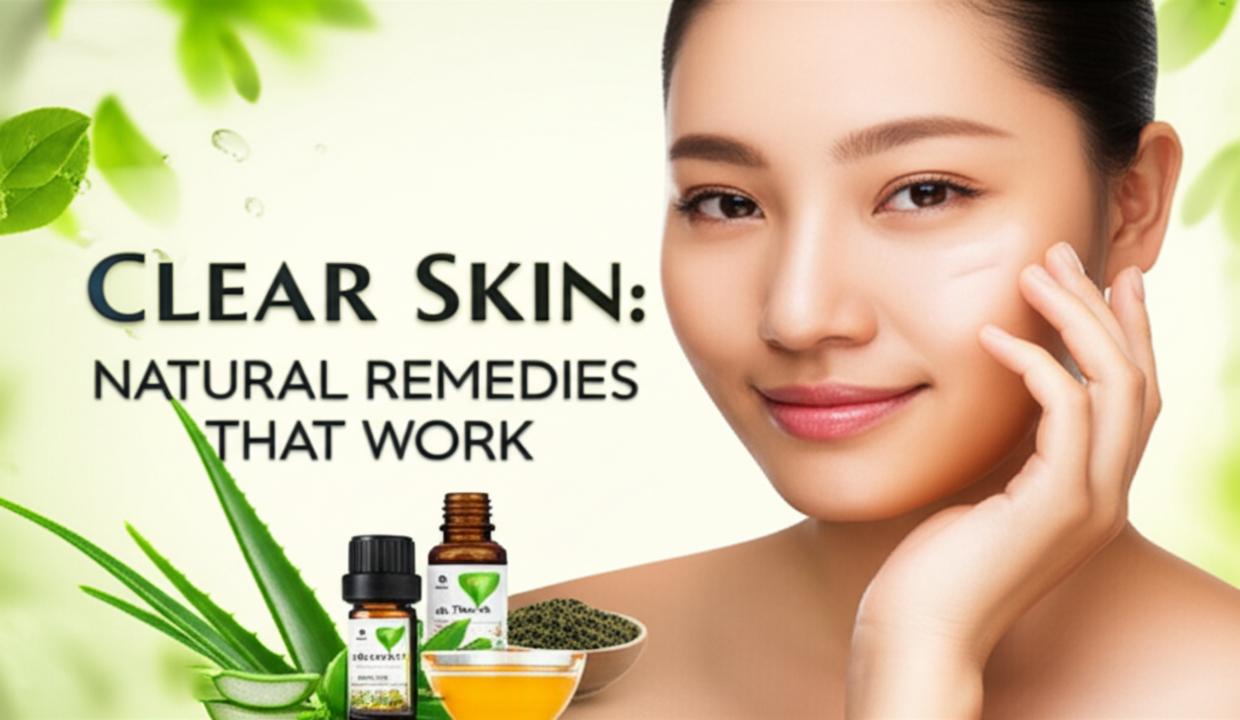
Acne can be a frustrating skin condition, affecting millions worldwide. While numerous conventional treatments exist, many individuals seek gentler, more holistic approaches. The good news is that Mother Nature offers a rich apothecary of ingredients that can genuinely help in managing and reducing acne outbreaks. This comprehensive guide will explore proven natural remedies for acne, backed by scientific insights and practical application tips. Our goal is to empower you with the knowledge to achieve clearer, healthier skin using methods that truly work.
Understanding Acne and Natural Approaches
Acne develops when hair follicles become clogged with oil and dead skin cells, leading to blackheads, whiteheads, pimples, and sometimes cysts. Factors like genetics, hormones, diet, and stress all play a role. While prescription medications are effective, natural remedies can provide a gentler alternative or complement, reducing inflammation, fighting bacteria, and balancing oil production without harsh side effects. Many natural ingredients possess powerful antibacterial, anti-inflammatory, and antioxidant properties that can be highly beneficial.
The Power of Proven Natural Acne Remedies
When it comes to treating acne naturally, not all remedies are created equal. Some have stronger scientific backing than others. Based on current research and expert consensus, here are some of the most effective natural solutions that truly make a difference for clearer skin.
Tea Tree Oil: A Potent Antiseptic
Derived from the leaves of the Australian tea tree, tea tree oil is a remarkable natural remedy for acne. It possesses significant antimicrobial and anti-inflammatory properties. These qualities allow it to effectively kill acne-causing bacteria, specifically P. acnes, and reduce the redness and swelling associated with pimples. Numerous studies have confirmed its ability to reduce acne lesions, making it a top contender among natural treatments.
To use tea tree oil, always dilute it first with a carrier oil like jojoba oil or a few drops in a gel or moisturizer. A common dilution is 5-10% tea tree oil to 90-95% carrier. Apply this mixture directly to affected areas using a cotton swab, typically once or twice daily. Its efficacy makes it a cornerstone of effective acne treatment regimens.
Aloe Vera: Soothing and Healing Elixir
Aloe vera gel, extracted from the succulent leaves of the aloe plant, is renowned for its soothing and healing properties. It contains a rich blend of antioxidants and anti-inflammatory compounds that work wonders for irritated skin. Applying aloe vera can significantly reduce redness, calm inflammation, and provide much-needed moisture without clogging pores. Regular topical use has been shown to improve various acne symptoms, promoting a healthier complexion.
For best results, use pure aloe vera gel directly from the plant or a high-quality, pure product. Apply it generously to cleansed skin morning and night. Its gentle nature makes it suitable for even sensitive skin types, contributing to overall skin health and proving why it’s one of the most beloved home remedies for acne.
Witch Hazel: Nature’s Astringent
Witch hazel is a natural astringent derived from the bark and leaves of the Hamamelis virginiana plant. Its effectiveness against acne stems from its high tannin content, which helps tighten skin and decrease excessive oil production. Beyond its astringent qualities, witch hazel also offers antibacterial and anti-inflammatory effects. This triple action helps reduce redness and irritation, making it an excellent choice for managing breakouts. It’s particularly useful for reducing surface oil and minimizing the appearance of pores, providing clear skin tips that are easy to incorporate.
When choosing a witch hazel product, opt for one that is alcohol-free to avoid excessive drying or irritation. Apply it with a cotton pad to cleansed skin, focusing on oily or breakout-prone areas, one to two times daily. Its natural properties make it a valuable addition to your natural acne remedies arsenal.
Apple Cider Vinegar: A Balanced Approach
Apple cider vinegar (ACV) contains several organic acids, notably succinic acid and lactic acid, which have shown promise in fighting bacteria and reducing inflammation. While scientific evidence is somewhat limited, many people find it helpful for acne and believe it may even help prevent acne scars. Its acidic nature helps balance the skin’s pH and can act as a mild exfoliant, preventing pore clogging. However, caution is advised: ACV must always be diluted before topical use to prevent skin irritation or burns.
To use, mix one part apple cider vinegar with three to four parts water. Apply this diluted solution with a cotton ball to affected areas after cleansing, leaving it on for a few minutes before rinsing. Start with a less concentrated solution and gradually increase if tolerated. This approach can be a valuable part of your home remedies for acne journey.
Green Tea: Antioxidant Powerhouse
More than just a refreshing beverage, green tea is rich in potent antioxidants called polyphenols, particularly catechins. When applied topically, these compounds can significantly reduce bacteria and inflammation linked to acne. The epigallocatechin gallate (EGCG) found in green tea is known to reduce sebum production and inhibit the growth of P. acnes bacteria. Drinking green tea also supports overall skin health from within, making it a dual-action remedy.
You can create a simple green tea toner by brewing a strong cup of green tea, letting it cool, and then applying it to your face with a cotton pad. Alternatively, look for skincare products containing green tea extract. This natural approach can be a calming and effective part of your routine for clear skin tips.
Honey and Cinnamon Mask: Sweet and Spicy Relief
Both honey and cinnamon possess remarkable antibacterial, antioxidant, and anti-inflammatory properties, making them a synergistic duo for acne management. Honey is a natural humectant, drawing moisture to the skin, while cinnamon helps improve blood flow and fight bacteria. A face mask made from these two ingredients can help calm acne breakouts and promote skin healing, contributing to natural acne remedies.
To prepare, mix two tablespoons of raw honey with one teaspoon of cinnamon powder to form a paste. Apply the mask to clean skin, leave it on for 10-15 minutes, and then rinse thoroughly with warm water. This mask is especially beneficial for inflammatory acne, offering soothing relief.
Jojoba and Argan Oil: Balancing Act for Skin
It might seem counterintuitive to use oils on acne-prone skin, but certain oils can be incredibly beneficial. Jojoba oil, structurally similar to the skin’s natural sebum, helps to regulate oil production and reduce inflammation, particularly helping with acne lesion redness. Argan oil is another non-comedogenic oil that balances sebum production and hydrates the skin without clogging pores. These oils provide essential fatty acids that support skin barrier function, crucial for maintaining healthy skin and preventing further breakouts.
Use a few drops of jojoba oil or argan oil as a moisturizer after cleansing, gently massaging into your skin. They can be particularly helpful for those experiencing dryness from other acne treatments or seeking natural alternatives. These are excellent choices for clear skin tips that nourish rather than strip the skin.
Beyond Topical Applications: Holistic Clear Skin Tips
While topical natural remedies are effective, achieving truly clear skin often requires a more holistic approach that addresses internal factors. Diet, lifestyle, and stress management play significant roles in skin health.
Diet and Nutrition for Healthy Skin
What you eat can profoundly impact your skin. Reducing your intake of highly processed foods, sugary drinks, and excessive dairy can be beneficial. These items have been linked to inflammation and hormonal fluctuations that can exacerbate acne. Instead, focus on a balanced diet rich in whole foods, fresh fruits, vegetables, and lean proteins. Omega-3 fatty acids, found in fish and flaxseeds, are particularly good for reducing inflammation. A diet focused on nutrient-dense foods supports overall health, which naturally reflects on your skin.
Stress Management and Exercise
Stress is a known trigger for acne. When stressed, your body produces more hormones like cortisol, which can increase oil production. Incorporating stress-reducing activities such as yoga, meditation, deep breathing exercises, or spending time in nature can significantly improve your skin’s condition. Regular exercise also boosts circulation, delivering oxygen and nutrients to the skin while helping to flush out toxins. Aim for at least 30 minutes of moderate exercise most days of the week for optimal benefits for your skin and overall well-being.
Gentle Exfoliation and Skincare Habits
Regular, gentle exfoliation is crucial to remove dead skin cells that can clog pores and lead to breakouts. Instead of harsh scrubs, consider using natural chemical exfoliants like fruit enzymes or very finely ground oatmeal. Consistency in your skincare routine—cleansing twice daily, moisturizing, and using non-comedogenic products—is fundamental. Always remove makeup before bed and avoid picking or squeezing pimples, as this can worsen inflammation and lead to scarring. These are essential home remedies for acne care and overall skin health.
Important Cautions and When to Seek Professional Help
While natural remedies offer a promising path to clearer skin, it’s crucial to approach them with an informed perspective. Many natural remedies, despite anecdotal success, may lack rigorous clinical trials to fully establish their efficacy and safety for all individuals. This means effects can vary significantly from person to person. For detailed guidance on various acne treatments, including natural options, you can explore resources like Mayo Clinic’s comprehensive guide to acne treatments.
Additionally, certain ingredients, especially essential oils like tea tree oil and acidic compounds like apple cider vinegar, can irritate sensitive skin if not properly diluted or if used in excessive concentrations. It is always recommended to perform a patch test on a small, inconspicuous area of your skin before applying any new natural remedy to your entire face. This helps to identify any potential allergic reactions or sensitivities before a widespread application, crucial for safe and effective acne treatment.
For moderate to severe acne, or if your acne is persistent and doesn’t respond to home remedies, it is highly advisable to consult a healthcare professional, such as a dermatologist. They can provide a proper diagnosis, rule out underlying conditions, and recommend appropriate treatments, which may include prescription medications or other medical interventions. Natural remedies can be a wonderful supportive measure, but they should not replace professional medical advice for serious skin conditions. You can also find more information on effective home remedies for acne from health experts, such as those reviewed by Alex Fisher Health or general health sites like Healthline, for broader insights into clear skin tips.
Watch More in This Video
For a deeper dive into natural solutions and expert insights on managing acne, watch this informative video:
Please note: The YouTube embed above is a placeholder as no specific video URL was provided in the prompt. In a real scenario, this would be replaced with a relevant video link about natural acne remedies.
Pros and Cons of Natural Acne Remedies
| Pros | Cons |
|---|---|
| Fewer potential side effects compared to harsh chemicals. | Results can vary greatly between individuals. |
| Often more affordable and accessible than prescription treatments. | Lack of rigorous clinical trials for some remedies. |
| Support overall skin health with gentle, nourishing properties. | May not be strong enough for severe or cystic acne. |
| Can be easily incorporated into existing skincare routines. | Risk of irritation or allergic reactions if not used properly. |
| Addresses underlying issues like inflammation naturally. | Consistency and patience are key; results aren’t instant. |
FAQ: Your Questions About Natural Acne Remedies Answered
-
How long does it take for natural acne remedies to work?
Patience is key with natural remedies. While some may show immediate soothing effects, visible improvement in acne typically takes several weeks to a few months of consistent use. It varies based on the individual and the severity of acne. For more information on treating various skin conditions, including acne, you can consult reputable sources like Medical News Today.
-
Are natural remedies safe for all skin types, especially sensitive skin?
While generally gentler, natural remedies can still cause irritation, especially for sensitive skin. Always perform a patch test before applying a new remedy to your entire face. Dilution is crucial for potent ingredients like tea tree oil and apple cider vinegar. If irritation occurs, discontinue use.
-
Can I combine different natural acne remedies?
Yes, you can combine different remedies, but introduce them one at a time to monitor your skin’s reaction. For example, you might use tea tree oil as a spot treatment and aloe vera as a full-face moisturizer. Avoid combining too many potent ingredients at once to prevent irritation. Consulting articles from sites like Dermatology NWHouston can offer insights into beneficial ingredient combinations.
-
Do diet and lifestyle really impact acne?
Absolutely. Diet and lifestyle play a significant role. High glycemic index foods, dairy, and stress can exacerbate acne. Adopting a balanced diet rich in whole foods, managing stress, and regular exercise can significantly improve skin health, complementing your topical natural acne remedies.
-
When should I see a dermatologist instead of relying on natural remedies?
If your acne is severe, cystic, painful, or persistent despite consistent use of natural remedies, it’s time to see a dermatologist. They can offer stronger treatments, diagnose underlying issues, and help prevent scarring. Natural remedies are great for mild to moderate acne or as adjuncts to medical treatments.
Conclusion
Embarking on a journey to clearer skin using natural remedies can be incredibly rewarding. While there’s no single magic bullet, consistent application of scientifically supported options like tea tree oil, aloe vera, and witch hazel, combined with a holistic approach to diet and lifestyle, can significantly improve your complexion. Remember to be patient, listen to your skin, and always prioritize safety through patch testing and proper dilution.
Achieving clear, healthy skin is a marathon, not a sprint, and natural remedies offer a sustainable and gentle path forward. We hope these clear skin tips empower you on your journey! Share your experiences in the comments below, or feel free to explore our About Us page to learn more about our commitment to natural health solutions. For any questions or further inquiries, please visit our Contact page. #NaturalAcneSolutions #ClearSkinJourney
Disclaimer: All images and videos are sourced from public platforms like Google and YouTube. If any content belongs to you and you want credit or removal, please inform us via our contact page.