
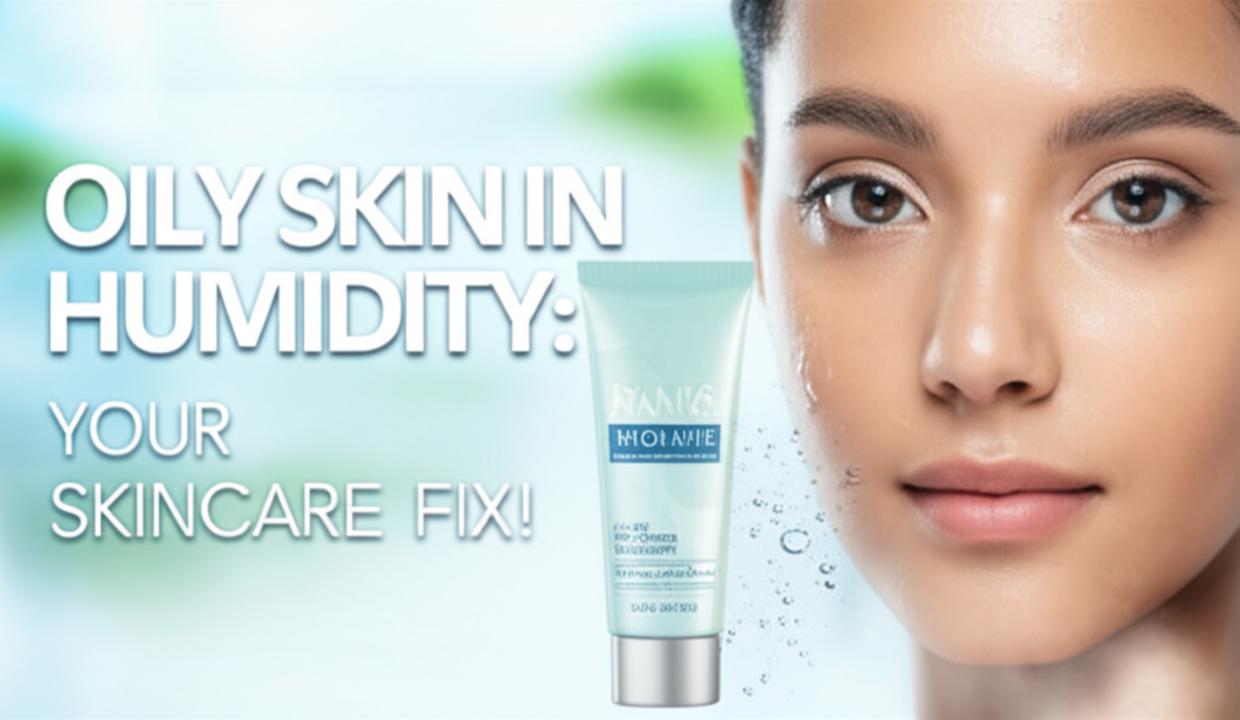
Living with oily skin can feel like a constant battle, especially when you add the challenge of humid weather into the mix. The sticky, often oppressive atmosphere can amplify oil production, leading to unwanted shine, enlarged pores, and frustrating breakouts. If you’ve ever felt like your face is melting by midday, you know exactly what we mean! But don’t despair – achieving a balanced, matte, and healthy complexion in high humidity is absolutely possible with the right approach.
This comprehensive guide will walk you through an effective skincare routine for oily skin in humid weather, focusing on smart strategies and product choices that combat excess sebum without stripping your skin. We’ll dive into the essential steps, highlight key ingredients, and share expert tips to help you master your complexion, no matter how muggy it gets.
Understanding the Challenge: Oily Skin in Humid Weather
Before we build your perfect oily skin routine, let’s understand why humidity poses such a unique challenge. Warm, moist air can signal your sebaceous glands to produce more oil, creating a greasy film on the skin’s surface. This excess oil, combined with sweat, dirt, and pollutants, can easily clog pores, leading to blackheads, whiteheads, and acne breakouts.
Furthermore, humidity can make your skin feel heavy and suffocated, prompting many to over-cleanse or skip moisturizer altogether. These common mistakes can actually backfire, leading to a dehydrated skin barrier that overcompensates by producing even more oil. The key is balance: cleansing effectively, exfoliating gently, and hydrating smartly.
Crafting Your Ideal Oily Skin Routine for Humid Climates
A successful skincare humid weather routine for oily skin centers on controlling excess oil, preventing clogged pores, and maintaining hydration without adding heaviness. Think lightweight textures and targeted ingredients. Here’s a breakdown of your essential daily steps:
Morning Ritual: Fresh Start for Humid Days
Your daytime routine is all about preparation and protection. It sets the stage for a shine-free day and shields your skin from environmental aggressors.
1. Gentle Cleansing: The Foundation of Freshness
Start your day by washing your face with a gentle, gel-based, or foaming cleanser. The goal is to remove overnight oil buildup without stripping your skin’s natural moisture barrier. Overwashing or using harsh cleansers can trigger your skin to produce even more oil, creating a vicious cycle.
Look for cleansers designed to remove excess oil, dirt, and makeup effectively while maintaining skin balance. A good cleanser for humid conditions prepares your skin for the next steps without leaving it feeling tight or dry. You can find excellent options by researching various brands that cater to how to care for oily skin in humid weather effectively.
2. Lightweight, Oil-Free Moisturizer: Hydration Without Heaviness
Even oily skin needs hydration, especially in humid climates where the air can surprisingly dehydrate your skin. Choose a lightweight, oil-free moisturizer formulated for oily or combination skin. Gels, gel-creams, or fluid lotions are ideal as they provide essential moisture without greasiness or shine.
Opt for moisturizers with hydrating agents like hyaluronic acid or aloe vera. These ingredients draw moisture into the skin without adding heavy oils that can clog pores. A well-hydrated skin barrier functions better and can actually help regulate oil production.
3. Non-Comedogenic Sun Protection: Your Daily Shield
Sunscreen is non-negotiable, regardless of your skin type or the weather. For oily skin in humidity, it’s crucial to select a broad-spectrum, non-comedogenic sunscreen. This means it won’t clog your pores, which is vital as humid weather can worsen pore enlargement and acne if your skin isn’t adequately protected from UV damage.
Look for formulas that offer a matte or semi-matte finish. Mineral sunscreens containing zinc oxide or titanium dioxide can be excellent choices as they often have a more mattifying effect. Always apply enough sunscreen to cover your face and neck, ensuring complete protection.
Evening Regimen: Repair and Renewal
Your evening routine focuses on thorough cleansing, targeted treatment, and gentle repair after a long day of battling humidity and pollutants.
1. Double Cleansing (If Applicable): Deep Clean for Clear Pores
If you wear makeup, heavy sunscreen, or feel your skin needs an extra deep clean, consider double cleansing. Start with an oil-based cleanser or micellar water to dissolve makeup, sunscreen, and excess sebum. Follow up with your gentle, gel-based, or foaming cleanser to thoroughly remove any remaining impurities and cleanse the skin itself.
This technique helps remove pore-clogging debris effectively while maintaining your skin’s natural balance. For instance, a matcha-derived cleansing gel has shown efficacy in reducing pores and controlling shine in humid conditions.
2. Chemical Exfoliation (2-3 Times a Week): Pore Perfection
Incorporating a mild chemical exfoliant is a game-changer for oily skin in humidity. Unlike harsh physical scrubs that can irritate and stimulate more oil, chemical exfoliants gently dissolve dead skin cells and keep pores clear from within. This helps manage excess oil and prevents acne caused by blocked pores.
Look for ingredients like salicylic acid (BHA), which is oil-soluble and penetrates into pores to dissolve sebum and debris, or natural extracts like coix seed extract. Start by using it 2-3 times a week and adjust based on your skin’s tolerance. Always apply after cleansing and before moisturizing.
These types of ingredients are often highlighted in advice on skincare routine for tropical locations due to their effectiveness.
3. Oil-Free Moisturizer: Replenish and Soothe
Conclude your evening routine with the same lightweight, oil-free moisturizer you use in the morning. This replenishes moisture lost throughout the day and supports your skin’s repair process overnight. Remember, hydration is key to preventing your skin from going into overdrive with oil production.
Key Ingredients and Product Selection: Your Humid Climate Skincare Arsenal
When curating your best skincare oily skin collection for humid environments, paying attention to ingredient lists and product labels is paramount. Here’s what to prioritize:
- Non-Comedogenic Formulas: This label indicates that a product is formulated not to clog pores. Always look for it on cleansers, moisturizers, sunscreens, and even makeup.
- Salicylic Acid (BHA): Excellent for oily, acne-prone skin as it penetrates oil to exfoliate inside the pore, reducing blackheads and breakouts.
- Hyaluronic Acid: A powerhouse humectant that draws moisture from the air into your skin without adding oil or heaviness.
- Niacinamide (Vitamin B3): Helps regulate sebum production, reduce inflammation, improve skin barrier function, and minimize the appearance of pores.
- Green Tea Extract/Matcha: Contains antioxidants and can help reduce oiliness and calm irritation.
- Aloe Vera: Soothing and hydrating without being greasy, perfect for calming skin in humid conditions.
- Coix Seed Extract: A botanical ingredient known for its purifying and oil-controlling properties. Learn more about how specific botanical ingredients can benefit your skin.
- Avoid Heavy or Comedogenic Products: Many standard skincare or makeup products can block pores in humid climates, leading to breakouts. Steer clear of thick creams, mineral oils, and excessive silicones if they cause issues for you.
What’s Trending in 2025: Innovations for Oily Skin
The world of skincare is constantly evolving, with new formulations and ingredients emerging to tackle specific concerns. For humid climate skincare, the focus in 2025 is increasingly on balancing deep cleansing with gentle, barrier-supporting ingredients.
One notable innovation gaining traction is the Matcha Cleanse with Japanese botanical ingredients. Clinically shown to reduce pore appearance and improve makeup wear in humid environments, this type of cleanser exemplifies the trend towards effective, yet non-stripping, solutions. Its efficacy stems from a blend of ingredients that control oil and refine texture without compromising the skin’s natural defenses.
Recent insights, including those from a 2025 YouTube video on skincare for oily skin in humid climates, consistently highlight the importance of this balanced approach. The video emphasizes balancing cleansing, exfoliating, and hydration while avoiding harsh stripping or heavy creams, confirming these strategies as paramount for maintaining a matte, healthy complexion in heat and humidity.
Beyond the Bottle: Lifestyle Tips for Managing Oily Skin
While a targeted routine is crucial, certain lifestyle adjustments can significantly enhance your results and contribute to overall skin health when dealing with oily skin in high humidity.
- Stay Hydrated: Drinking plenty of water helps your body function optimally, including your skin. Internal hydration is just as important as topical.
- Avoid Over-Washing: As mentioned, washing your face too frequently (more than twice a day) can strip your skin and trick it into producing more oil to compensate. Stick to your morning and evening routine.
- Blotting Papers are Your Friend: Keep oil-blotting papers handy for quick touch-ups throughout the day. They absorb excess shine without disturbing your makeup or stripping your skin.
- Clean Your Tools: Regularly clean your makeup brushes, sponges, and anything else that touches your face to prevent bacteria and oil transfer.
- Consider a Dermatologist: For persistent acne or extremely oily skin that doesn’t respond to over-the-counter products, consulting a dermatologist is a smart move. They can offer prescription-strength treatments or professional advice tailored to your needs, as OTC products may not sufficiently reduce oil gland activity during high humidity. Learn more about the link between oily skin and acne in humidity.
Benefits of Embracing a Humid Weather Skincare Strategy
| Pros | Cons |
|---|---|
| Reduced oiliness and shine for a fresh look | Requires consistent effort and product selection |
| Fewer clogged pores and breakouts | May involve trial and error to find perfect products |
| Improved skin texture and appearance | Some specialized products can be pricier |
| Enhanced makeup longevity in humidity | |
| Stronger, healthier skin barrier |
Frequently Asked Questions About Oily Skin in Humidity
-
Does humidity make oily skin worse?
Yes, humidity can often exacerbate oily skin. The moist, warm air can stimulate sebaceous glands to produce more sebum, leading to increased shine, a greasy feeling, and a higher likelihood of clogged pores and breakouts. This is why a specific skincare routine for oily skin in humid weather is essential.
-
What is the best type of cleanser for oily skin in humid weather?
For oily skin in humid conditions, a gentle gel-based or foaming cleanser is ideal. These formulas effectively remove excess oil, dirt, and makeup without stripping the skin’s natural barrier. Avoid harsh cleansers that leave your skin feeling tight, as this can trigger more oil production. Double cleansing can also be very beneficial.
-
Do I need moisturizer if my skin is oily in humid weather?
Absolutely! Even oily skin requires hydration. Skipping moisturizer can dehydrate your skin, prompting your oil glands to produce even more sebum to compensate. Choose a lightweight, oil-free, non-comedogenic moisturizer, preferably with hydrating ingredients like hyaluronic acid, to provide moisture without added greasiness.
-
How often should I exfoliate oily skin in humid climates?
Incorporating a mild chemical exfoliant (like one with salicylic acid) 2-3 times a week is generally recommended for oily skin in humid weather. This helps keep pores clear and reduces sebum buildup. Avoid over-exfoliating, as it can irritate your skin and lead to increased oil production.
-
What kind of sunscreen should I use for oily skin in humidity?
Opt for a broad-spectrum, non-comedogenic sunscreen with a matte or semi-matte finish. Gel or fluid formulas are often preferable as they feel lighter on the skin and are less likely to clog pores. Look for physical sunscreens containing zinc oxide or titanium dioxide, as they can sometimes offer better oil control.
Conclusion: Your Path to Balanced, Clear Skin
Navigating the challenges of oily skin in humid weather doesn’t have to be a struggle. By adopting a smart, consistent skincare routine that prioritizes gentle cleansing, targeted exfoliation, lightweight hydration, and diligent sun protection, you can effectively manage oiliness, prevent breakouts, and maintain a clear, healthy complexion.
Remember, consistency is key, and finding the right products for your unique skin may involve some experimentation. Embrace these oily skin tips and strategies, and you’ll be well on your way to skin that looks and feels its best, even when the humidity is at its peak. Share your own experiences or tips in the comments below, or About Us to learn more about our commitment to effective skincare advice. For more great content, feel free to read other articles on our site, or Contact us with any questions! #SkincareGoals
Watch More in This Video
Disclaimer: All images and videos are sourced from public platforms like Google and YouTube. If any content belongs to you and you want credit or removal, please inform us via our contact page.