
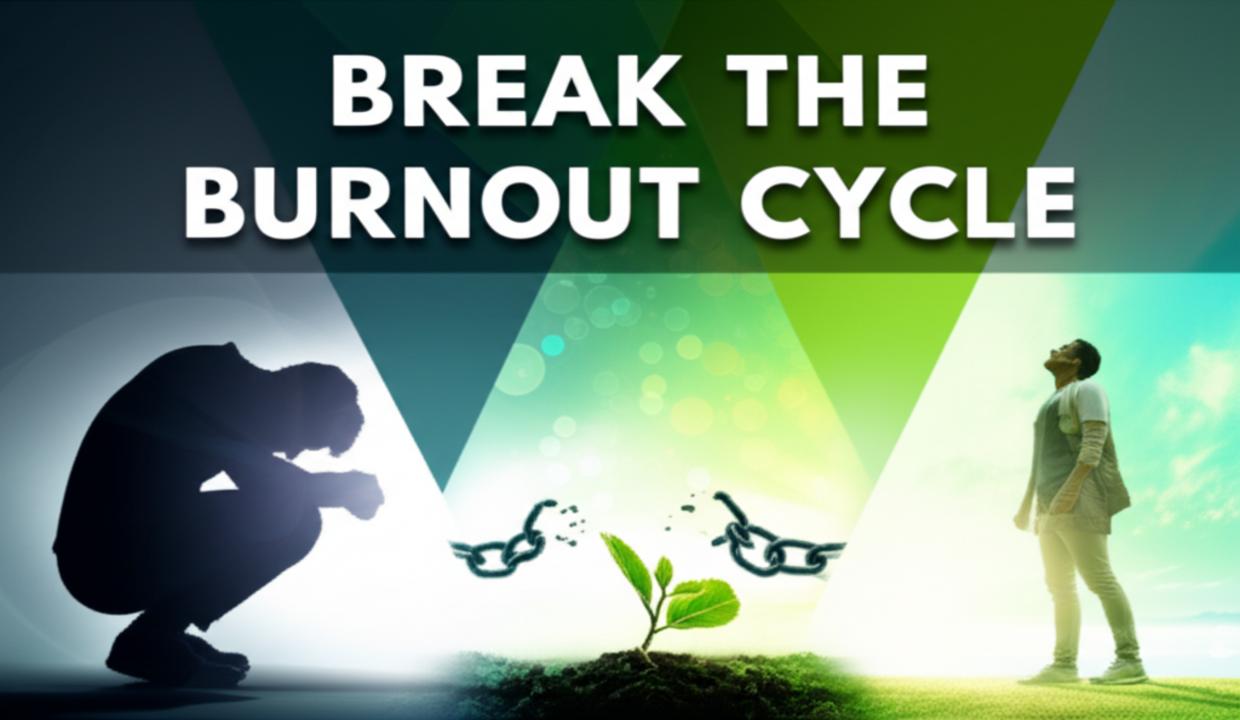
Do you ever feel like you’re constantly running on empty? Like no matter how much you do, it’s never enough, and the energy drain is simply overwhelming? This pervasive feeling, often accompanied by cynicism and a diminished sense of accomplishment, is known as burnout. It’s more than just being tired; it’s a state of chronic stress that can affect your physical, mental, and emotional well-being. The good news is that it’s possible to understand burnout and take steps to break its cycle. This comprehensive guide will walk you through effective strategies to not just recover, but to truly transform your relationship with work and life, fostering lasting well-being and preventing its return.
Recognizing the Early Signs of Burnout
The first step to overcoming burnout is to recognize its subtle, and often not-so-subtle, signs. Many people dismiss initial symptoms as simply “a bad day” or “too much to do,” but these early warnings are crucial. They are your body and mind telling you that something needs to change before you reach a critical breaking point. Being able to detect early signs of burnout is a powerful preventative measure.
Typically, burnout manifests in several key areas. You might experience persistent exhaustion, not just physical, but mental and emotional as well. Tasks that once felt manageable now seem insurmountable. You could also notice increasing cynicism or negativity towards your work or personal life, feeling detached or unmotivated.
Beyond these, look out for reduced performance or feelings of ineffectiveness. Perhaps you’re making more mistakes, finding it harder to focus, or feeling a general lack of accomplishment despite putting in long hours. Physical symptoms like headaches, stomach issues, or frequent illnesses can also be red flags. Recognizing these signals early empowers you to take proactive steps, such as asking for support, delegating tasks, or reprioritizing your commitments, before the cycle deepens.
The Core Pillars: Breaking the Burnout Cycle Through Boundaries and Self-Care
To truly break the burnout cycle, you need to establish foundational practices that protect your energy and well-being. Two of the most critical pillars are setting clear boundaries and committing to consistent self-care. These aren’t just trendy buzzwords; they are essential strategies for long-term health and productivity.
Setting Boundaries That Protect Your Peace
Boundaries are like invisible fences that protect your time, energy, and emotional space. In a world that often demands constant availability, learning to say no is a superpower. It means prioritizing your most important tasks and letting go of nonessential commitments that drain you without adding significant value.
Establishing clear work hours is a prime example. This involves consciously deciding when your workday begins and, more importantly, when it ends. Resist the urge to check emails late at night or work on weekends unless absolutely necessary. These defined periods create a crucial separation between your professional and personal life, allowing for genuine rest and rejuvenation.
It’s about safeguarding your personal time and energy, recognizing that you are not limitless. Clear boundaries also involve communicating your availability and limits to others, whether they are colleagues, clients, or even family members. This isn’t about being unhelpful; it’s about being effective and sustainable.
Prioritizing Consistent Self-Care Practices
Self-care is not a luxury; it’s a necessity, especially when you’re trying to overcome burnout. It encompasses a range of activities that nourish your mind, body, and soul. Neglecting self-care is a direct path back into the burnout cycle, reinforcing the idea that your worth is tied to constant productivity.
- Adequate Sleep: Aim for 7 to 9 hours of quality sleep per night, maintaining a consistent sleep schedule even on weekends. This regularity helps regulate your body’s natural rhythms.
- Balanced Nutrition: Fuel your body with nutritious foods. Avoid relying on excessive caffeine or sugary snacks, which can lead to energy crashes and exacerbate feelings of exhaustion.
- Regular Physical Activity: Incorporate movement into your daily routine. Even short walks, like 20-minute walks or aiming for 5,000 daily steps, can significantly reduce stress and boost your mood.
- Nurture Social Connections: Isolation can deepen burnout. Actively nurture your relationships with friends and family. Spend time with people who uplift and support you, combating feelings of loneliness or detachment.
These self-care practices aren’t just about feeling better in the moment; they build your resilience over time, making you less susceptible to the draining effects of chronic stress. They are a proactive investment in your long-term health and happiness, helping you to truly prevent burnout from taking hold.
Mastering Mindfulness and Stress Management Techniques
In the quest to break the burnout cycle, managing stress effectively is paramount. Mindfulness and various stress management techniques offer powerful tools to ground yourself, reduce anxiety, and foster a greater sense of calm amidst daily pressures. These practices help you observe your thoughts and feelings without judgment, creating a much-needed mental space.
Embracing Mindfulness Activities
Mindfulness is the practice of being present in the moment, fully aware of your surroundings and internal sensations without getting caught up in worries about the past or future. Regularly engaging in mindfulness activities can significantly reduce your stress levels and improve your emotional regulation. This is a core component of protecting your well-being and preventing burnout.
- Meditation: Even short sessions of focused breathing or guided meditation can train your mind to be less reactive to stressors.
- Yoga: Combines physical postures, breathing exercises, and meditation to promote physical and mental relaxation.
- Deep Breathing Exercises: Simple techniques like diaphragmatic breathing can quickly activate your body’s relaxation response, calming your nervous system.
- Progressive Muscle Relaxation: Tensing and then relaxing different muscle groups helps release physical tension accumulated from stress.
These practices aren’t about eliminating stress entirely, but about changing your relationship with it. They help you respond thoughtfully instead of reacting impulsively, providing vital stress relief.
The Power of Journaling for Emotional Processing
Journaling is another highly effective stress management technique often overlooked. It provides a private, non-judgmental space to process your emotions, thoughts, and experiences. When you’re dealing with the complexities of burnout, writing down your feelings can offer profound clarity and release.
Regular journaling can help you identify patterns in your stress triggers, understand your emotional responses better, and even brainstorm solutions to problems. It’s a form of self-reflection that aids in emotional detoxification and fosters self-awareness. Consider making it a consistent part of your daily routine to enhance your overall mental well-being and support your journey to overcome burnout.
The Power of Disconnecting and Taking Breaks
In our hyper-connected world, the lines between work and personal life often blur, making it incredibly difficult to truly disconnect. However, taking intentional breaks and stepping away from technology are vital for resetting your mental energy and reducing your stress responses. This isn’t just about resting; it’s about actively disengaging to allow your brain to recover and refresh.
Daily technology breaks are essential. This means putting away your phone, stepping away from your computer, and refraining from checking work emails or messages outside of designated hours. Even short periods of disconnection throughout the day, like stepping out for a walk during lunch or having a screen-free dinner, can make a significant difference.
Beyond daily breaks, consider longer periods of disconnection, such as digital detox weekends or vacations where you truly unplug. These relaxation practices help you regain perspective, reduce mental fatigue, and prevent the constant mental overload that contributes to burnout. It’s about giving your mind the space it needs to breathe and recover.
Crafting Your Personal Self-Care Plan
Moving beyond generic advice, developing a tailored personal self-care plan is a proactive and powerful step to prevent burnout. This isn’t a one-size-fits-all solution; it’s a personalized blueprint designed to meet your unique needs and preferences. The activities you choose should genuinely bring you joy, relaxation, and a sense of revitalization.
Your plan might include activities such as listening to music, losing yourself in a good book, engaging in gentle stretching, or dedicating time to hobbies you love. Whether it’s painting, gardening, cooking, or playing an instrument, these activities serve as vital outlets for creative expression and stress reduction. They shift your focus away from demanding tasks and towards personal fulfillment.
The key to an effective self-care plan is its adaptability. Periodically review and adjust your plan based on your current needs, energy levels, and any emerging signs of stress or exhaustion. What works one week might not work the next. Regularly checking in with yourself ensures your plan remains relevant and continues to be an effective tool in your journey to overcome burnout and maintain your overall well-being. This ongoing reflection is a crucial part of building sustainable habits that support your long-term health. Learn more about creating a personalized plan for burnout prevention and recovery.
Beyond Recovery: Embracing Burnout as a Catalyst for Growth
Many approaches to burnout focus solely on recovery, getting back to “normal” or becoming “resilient.” However, the most profound and sustainable change comes from using burnout as a catalyst for deep personal and professional growth. This transformative perspective views burnout not as a failure, but as a powerful signal for re-evaluation and intentional change. It’s about transforming the experience into a launching pad for a more fulfilling and balanced life.
True transformation means moving beyond superficial recovery, often described as “survival mode” or merely “resilient recovery.” These states might alleviate immediate symptoms but often leave the root causes unaddressed, making a return to the cycle highly probable. Instead, embrace the opportunity for significant personal and professional evolution.
This growth involves intentional reflection on the underlying causes of your burnout. What systems, beliefs, or patterns contributed to it? This deep introspection is crucial. From there, it’s about courageously setting new, healthier boundaries that protect your well-being. It also involves learning new skills, whether they are time management techniques, emotional regulation strategies, or assertiveness training. Creating sustainable habits, such as those discussed previously, becomes a conscious effort aimed at promoting long-term well-being.
Seeking new challenges, perhaps a different role or a passion project, can also be part of this growth. Engaging with supportive perspectives, whether through therapy, coaching, or peer support groups, provides invaluable guidance and validation. As discussed in a Psychology Today article, you can be ready to break the burnout cycle when you embrace this growth mindset. By adopting this growth-oriented approach, you don’t just recover from burnout; you emerge stronger, wiser, and equipped with tools for a more balanced and thriving existence. It’s a complete life reevaluation, not just a temporary fix. #GrowthMindset
Sustainable Habits: Long-Term Strategies to Prevent Burnout Recurrence
Once you’ve started to overcome burnout, the next critical phase is ensuring it doesn’t return. This involves embedding sustainable habits into your daily life, creating a robust shield against future stressors. It’s about building a lifestyle that inherently supports your well-being, rather than constantly pushing yourself to the brink. Think of it as cultivating a garden: consistent care prevents weeds from taking over.
Regular check-ins with yourself are vital. Are you still honoring your boundaries? Are you making time for self-care? Are you detecting early signs of stress before they escalate? These ongoing assessments allow you to course-correct promptly.
Furthermore, cultivate a flexible mindset. Life throws curveballs, and sometimes your perfect plan will need adjustment. The ability to adapt your strategies and be compassionate with yourself when things don’t go perfectly is a hallmark of true resilience. This flexibility is key to maintaining progress and preventing a relapse into the burnout cycle. Remember, prevention is always better than cure, and these habits form your best defense.
Watch More in This Video
For a dynamic visual summary and additional insights, check out this informative video. It echoes many of the points we’ve discussed, emphasizing the practical steps you can take today to initiate your recovery and foster personal growth.
Please note: Replace “YOUR_YOUTUBE_VIDEO_ID” with the actual ID from the mentioned YouTube video: “How to Break the Burnout Cycle — 5 Proven Steps to Recovery & Growth”.
FAQ
- What is the main difference between stress and burnout?
Stress is typically characterized by over-engagement, urgency, and hyperactivity, leading to feeling overwhelmed. Burnout, in contrast, is characterized by disengagement, helplessness, and hopelessness, resulting in feelings of emptiness and exhaustion. Stress might mean you’re working too much; burnout means you’re too exhausted to care. - How long does it take to recover from burnout?
Recovery from burnout varies greatly depending on its severity and the individual’s commitment to change. It can range from a few weeks to several months, or even longer for severe cases. Consistent effort in setting boundaries, self-care, and stress management significantly accelerates the process. - Can I break the burnout cycle on my own, or do I need professional help?
While many strategies can be implemented independently, professional help from a therapist, counselor, or coach can be incredibly beneficial. They can provide personalized strategies, help identify root causes, and offer support through the recovery process, especially if symptoms are severe or persistent. - Is it possible to prevent burnout entirely?
While complete prevention might be challenging in today’s demanding world, it is absolutely possible to significantly reduce your risk and build strong resilience. By consistently applying strategies like setting boundaries, prioritizing self-care, and practicing mindfulness, you can create a buffer against the stressors that lead to burnout.
Conclusion
Breaking the burnout cycle is not a one-time fix but a transformative journey. It requires commitment, self-awareness, and a willingness to redefine your relationship with work and life. By embracing strategies like setting clear boundaries, prioritizing consistent self-care, mastering mindfulness, and disconnecting regularly, you lay a strong foundation for sustainable well-being.
Remember, burnout can also be a profound catalyst for personal and professional growth, prompting you to create a life that truly aligns with your values. It’s about building habits that last, ensuring that you don’t just recover, but thrive. Your well-being is paramount, and taking these steps is an investment in a healthier, happier future. If you found this article helpful, please feel free to share it with others who might benefit. To learn more about our approach to well-being, visit our About Us page, or Contact us with any questions or feedback.
Disclaimer: All images and videos are sourced from public platforms like Google and YouTube. If any content belongs to you and you want credit or removal, please inform us via our contact page.